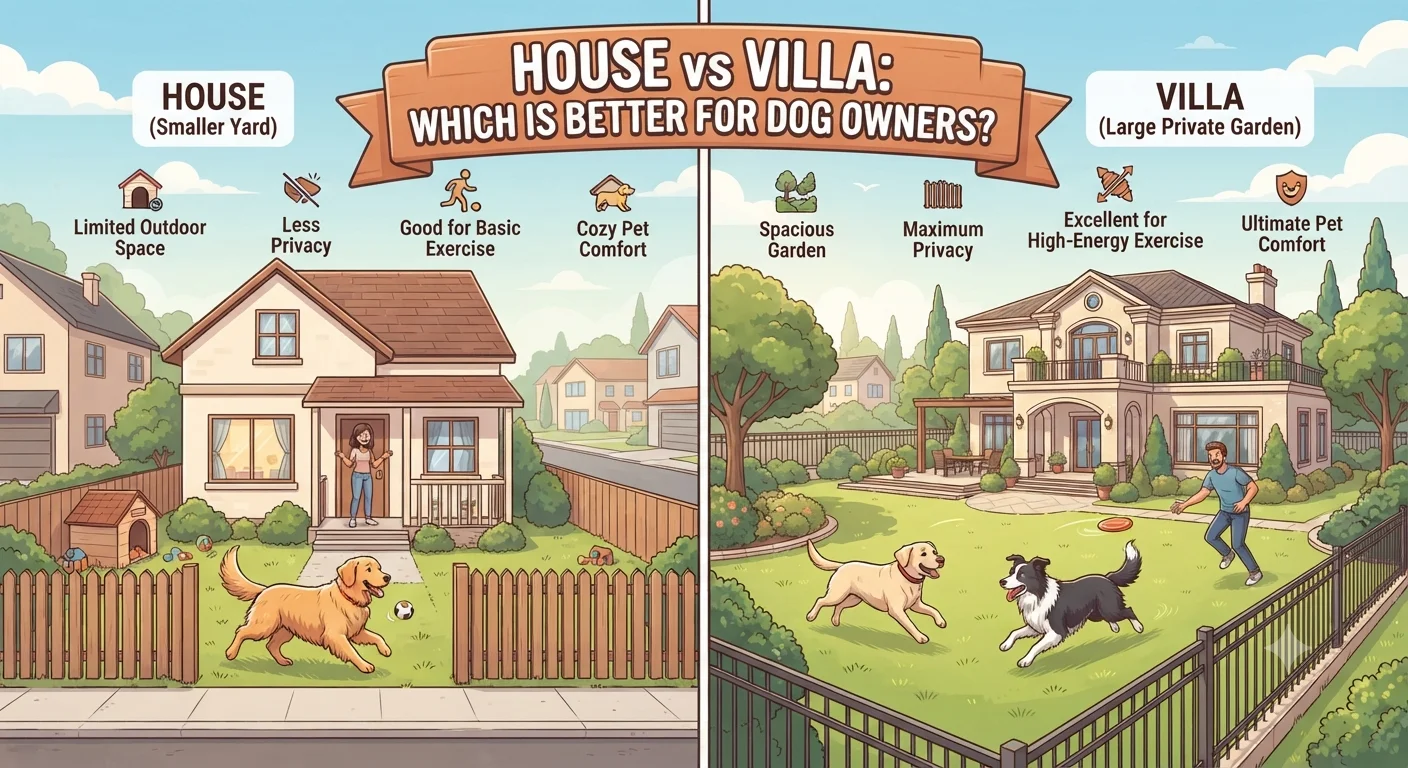
Choosing a home is one of the biggest decisions you’ll ever make, and for dog owners, it’s about much more than square footage or architectural style. Your home directly influences your dog’s health, happiness, behavior, and overall quality of life. Whether you’re considering a traditional house vs villa, understanding how each property type supports a pet-friendly lifestyle can help you make a better long-term investment.
Dogs thrive in environments that provide enough space to exercise, explore, relax, and interact with their families. While many dogs successfully adapt to apartments, houses, and villas, each type of property offers unique advantages and challenges depending on your dog’s breed, size, energy level, and personality.
A spacious villa with garden may provide unlimited opportunities for outdoor play, while a smaller dog-friendly home can still be an excellent environment when thoughtfully designed. The ideal home for dogs depends on balancing comfort, safety, maintenance, privacy, and accessibility rather than simply choosing the largest property available.
This guide compares houses and villas from every important perspective, helping dog owners decide which type of pet-friendly property best suits both their lifestyle and their canine companion.
read more about smart home devices
Why Your Home Matters to Your Dog
Dogs spend most of their lives in and around the home. The environment they live in influences everything from their physical health to their emotional well-being.
A suitable home helps dogs:
- Stay physically active.
- Feel secure.
- Develop healthy routines.
- Reduce stress.
- Avoid destructive behaviors.
- Enjoy daily interaction with family.
When choosing between a house vs villa, think beyond appearance and consider how the space will support your dog’s daily needs.
Understanding the Difference Between a House and a Villa
Although the definitions vary by country, there are some common distinctions.
House
A house is typically a standalone residential property that may include:
- A private entrance.
- A small or medium-sized yard.
- One or more floors.
- Shared neighborhood surroundings.
Houses come in many sizes, from compact suburban homes to larger family residences.
Villa
A villa generally refers to a larger, more luxurious detached property offering:
- More indoor space.
- Larger private gardens.
- Greater privacy.
- Premium outdoor living areas.
- Spacious layouts.
A villa with garden often provides significantly more outdoor space than a standard house.
Outdoor Space: One of the Biggest Differences
Outdoor access is one of the most important considerations for dog owners.
House
Many houses include modest backyards that allow dogs to:
- Explore.
- Sunbathe.
- Play fetch.
- Take bathroom breaks.
However, yard size varies greatly.
Villa
A villa with garden typically offers expansive outdoor areas where dogs can:
- Run freely.
- Burn energy naturally.
- Practice training exercises.
- Explore safely.
Larger outdoor spaces benefit active breeds that require substantial daily exercise.
Daily Exercise Opportunities
Every dog needs regular physical activity.
Living in a larger property does not eliminate the need for walks, but it can make daily exercise easier.
Dogs living in spacious villas often enjoy:
- More spontaneous play.
- Greater freedom of movement.
- Reduced boredom.
- Better muscle development.
Meanwhile, dogs living in houses may rely more heavily on structured walks and scheduled outdoor activities.
Privacy for Dogs and Owners
Privacy affects both dogs and their families.
Busy neighborhoods often expose dogs to:
- Passing pedestrians.
- Delivery drivers.
- Other pets.
- Traffic noise.
These constant stimuli may trigger excessive barking in some dogs.
A villa often provides greater separation from surrounding properties, reducing unnecessary stress and distractions.
read more about smart home control
Noise Levels
Dogs have highly sensitive hearing.
Living in quieter environments can improve relaxation.
Advantages of quieter neighborhoods include:
- Better sleep.
- Lower stress.
- Reduced anxiety.
- Less territorial barking.
However, proper socialization remains important regardless of the property’s location.
Safety Considerations
Safety should always come before aesthetics.
When evaluating any dog-friendly home, inspect:
- Fence height.
- Gate security.
- Pool protection.
- Toxic plants.
- Escape routes.
- Driveway access.
A beautiful property becomes unsuitable if it cannot safely contain your dog.
Fence Quality
A secure fence is essential.
Consider:
- Height appropriate for your breed.
- Durable materials.
- No large gaps.
- Secure gates.
- Child-proof latches.
Athletic breeds may require taller fencing than smaller companion dogs.
Space for Different Breeds
Different breeds require different environments.
Small Dogs
Many smaller breeds thrive in:
- Compact houses.
- Small gardens.
- Moderate outdoor areas.
Examples include:
- Cavalier King Charles Spaniels.
- French Bulldogs.
- Maltese.
- Shih Tzus.
Medium Dogs
Medium breeds generally benefit from:
- Larger yards.
- Daily walks.
- Interactive play.
Large Dogs
Large breeds often appreciate the additional room offered by a villa with garden.
Examples include:
- Golden Retrievers.
- German Shepherds.
- Labrador Retrievers.
- Dobermans.
Giant Breeds
Breeds such as Great Danes or Saint Bernards benefit from spacious layouts that allow comfortable movement indoors.
Indoor Living Space
Dogs spend much of their time indoors alongside their owners.
Evaluate:
- Open floor plans.
- Non-slip flooring.
- Natural lighting.
- Air circulation.
- Comfortable resting areas.
A spacious interior can improve movement, especially for large or senior dogs.
Flooring Choices
Certain flooring materials work better in a home for dogs.
Recommended options include:
- Luxury vinyl plank.
- Tile.
- Engineered hardwood.
- Sealed concrete.
These materials are generally easier to clean and more resistant to scratches.
Carpet Considerations
While carpets feel soft underfoot, they can:
- Trap pet hair.
- Retain odors.
- Stain easily.
- Harbor allergens.
Area rugs often provide a practical compromise.
Access to Nature
One advantage of many villas is proximity to landscaped gardens.
Dogs enjoy exploring:
- Grass.
- Trees.
- Safe shrubs.
- Natural scents.
Environmental enrichment improves mental stimulation and reduces boredom.
Mental Stimulation at Home
Exercise alone isn’t enough.
Dogs also require opportunities to think and explore.
Large outdoor spaces allow owners to create:
- Obstacle courses.
- Scent games.
- Fetch areas.
- Training stations.
- Digging zones.
These activities reduce destructive behaviors inside the home.
Multi-Dog Households
Families with multiple dogs generally require more space.
Benefits of larger properties include:
- Separate play areas.
- Multiple sleeping zones.
- Reduced competition.
- Easier introductions for new pets.
A spacious pet-friendly property can significantly improve harmony between multiple dogs.
Puppies vs Adult Dogs
Puppies often benefit from secure, enclosed outdoor spaces where they can safely explore.
Adult dogs may appreciate larger exercise areas depending on their energy level.
Regardless of age, supervision remains essential during outdoor play.
Working From Home with Dogs
Remote work has increased the importance of home design.
A well-planned dog-friendly home should include:
- Quiet resting spaces.
- Comfortable work areas.
- Easy outdoor access.
- Limited distractions during meetings.
Dogs generally adapt well when they have predictable routines throughout the workday.
Weather Considerations
Climate influences outdoor usability.
Large gardens are most beneficial when they remain comfortable throughout much of the year.
Provide:
- Shade during summer.
- Covered areas during rain.
- Fresh drinking water.
- Comfortable resting spots.
Even in a spacious villa, dogs should not remain outdoors for extended periods in extreme weather.
Entertaining Guests
Dog owners who frequently host visitors should consider how their property manages introductions.
Larger homes often provide:
- Separate rooms.
- Secure gates.
- Calm greeting areas.
- Better visitor management.
This creates a safer and less stressful experience for both guests and pets.
Storage for Pet Supplies
Dogs accumulate more equipment than many owners expect.
Storage space is useful for:
- Food containers.
- Toys.
- Grooming supplies.
- Leashes.
- Seasonal clothing.
- Cleaning products.
- Travel carriers.
Larger properties often offer dedicated storage solutions that keep living spaces organized.
read more about housewarming gifts
Accessibility for Senior Dogs
As dogs age, accessibility becomes increasingly important.
Look for:
- Wide hallways.
- Minimal stairs.
- Non-slip flooring.
- Easy garden access.
- Comfortable sleeping areas.
Planning ahead benefits both current and future pets.
Property Maintenance
Every property requires upkeep.
A larger villa with garden may demand:
- Lawn care.
- Fence inspections.
- Tree maintenance.
- Irrigation.
- Pool safety checks.
A smaller house typically requires less outdoor maintenance but may provide fewer opportunities for exercise.
we’ll compare maintenance costs, lifestyle flexibility, training opportunities, security, neighborhood considerations, resale value for pet owners, and practical factors that help determine whether a house vs villa is the better home for dogs and long-term pet-friendly property.
Maintenance Costs: House vs Villa
One of the biggest practical differences in the house vs villa decision is ongoing maintenance. While both property types require regular care, villas generally demand more time and money due to their larger size and outdoor areas.
Maintaining a House
A typical house usually involves:
- Smaller lawns.
- Fewer trees and shrubs.
- Lower utility bills.
- Less cleaning time.
- Reduced landscaping costs.
For busy dog owners, these lower maintenance requirements can free up more time for walks, training sessions, and play.
Maintaining a Villa
A villa with garden often includes:
- Large landscaped yards.
- Multiple outdoor seating areas.
- Swimming pools.
- Larger driveways.
- Extensive fencing.
Although maintenance costs are higher, many owners consider the additional space worthwhile because it significantly improves their dogs’ quality of life.
Cleaning with Dogs
Dogs naturally bring dirt, mud, and fur into the home.
When evaluating a dog-friendly home, consider how easy it will be to keep clean.
Helpful features include:
- Washable flooring.
- Mudroom entrances.
- Outdoor hose connections.
- Durable furniture fabrics.
- Easily accessible laundry rooms.
Homes designed with pets in mind reduce everyday cleaning stress.
Garden Design for Dogs
A beautiful garden should also be safe for pets.
When planning a villa with garden, consider creating dedicated spaces for your dog.
Examples include:
- Open grass areas.
- Shaded resting spots.
- Secure pathways.
- Digging zones.
- Fresh water stations.
This allows your dog to enjoy the outdoors while protecting decorative landscaping.
Choosing Dog-Friendly Plants
Some ornamental plants can be harmful to dogs if chewed or eaten.
When landscaping your property, research every plant before adding it.
Many owners prefer:
- Dog-safe grasses.
- Non-toxic flowers.
- Pet-safe shrubs.
- Natural shade trees.
Avoid plants that are known to cause digestive or neurological problems in pets.
Creating Exercise Areas
Dogs need more than occasional walks.
Having a dedicated exercise area encourages daily activity.
Ideas include:
- Fetch lanes.
- Agility equipment.
- Obstacle courses.
- Sand or digging pits.
- Scent-training stations.
These additions transform any pet-friendly property into an enriching environment.
Home Security for Dog Owners
Security benefits both people and pets.
Look for properties with:
- Strong perimeter fencing.
- Secure gates.
- Outdoor lighting.
- Video surveillance.
- Reliable locks.
Good security helps prevent accidental escapes and protects your dog from outside hazards.
Privacy Benefits
Privacy affects your dog’s emotional well-being as much as your own.
A villa often provides:
- Fewer neighboring distractions.
- Less street noise.
- Reduced barking triggers.
- More peaceful outdoor time.
Dogs that are easily excited by passing people or vehicles may become noticeably calmer in private surroundings.
Neighborhood Considerations
The surrounding neighborhood can influence your dog’s daily routine just as much as the property itself.
Consider factors such as:
- Sidewalk availability.
- Walking trails.
- Parks nearby.
- Traffic volume.
- Noise levels.
- Presence of other pets.
A modest house in an excellent neighborhood may provide a better lifestyle than a large villa in an unsuitable location.
Access to Veterinary Care
Convenient access to veterinary clinics should be part of your decision.
Living close to:
- Veterinary hospitals.
- Emergency clinics.
- Groomers.
- Pet supply stores.
- Dog trainers.
can make everyday pet ownership much easier.
Social Opportunities
Dogs benefit from controlled social interaction.
Nearby amenities may include:
- Dog parks.
- Pet cafés.
- Walking trails.
- Training clubs.
- Community events.
Regular socialization helps puppies develop confidence and supports adult dogs in maintaining good behavior.
Training Advantages at Home
Training is often easier when your property provides enough room for practice.
A spacious yard allows owners to work on:
- Recall.
- Stay.
- Loose-leash walking.
- Agility exercises.
- Obedience games.
While these activities can certainly be practiced elsewhere, having private outdoor space makes regular training more convenient.
Traveling with Dogs
Frequent travelers should consider how easily a property accommodates pet sitters or boarding arrangements.
Helpful features include:
- Separate guest rooms.
- Secure outdoor spaces.
- Easy access to feeding supplies.
- Comfortable sleeping areas.
A well-designed home for dogs makes temporary care much easier.
Raising Puppies
Puppies require close supervision while exploring their environment.
A safe property should include:
- Fully enclosed fencing.
- Covered drainage systems.
- Secure gates.
- Safe outdoor surfaces.
- Limited access to hazardous equipment.
Whether you choose a house or a villa, puppy-proofing remains essential.
Senior Dog Comfort
Older dogs have different priorities than energetic puppies.
Look for features such as:
- Ground-floor living.
- Gentle outdoor access.
- Soft resting areas.
- Non-slip flooring.
- Minimal stairs.
These improvements support mobility and reduce the risk of injury.
Lifestyle Flexibility
Your future plans should influence today’s decision.
Ask yourself:
- Will you adopt additional dogs?
- Do you plan to start a family?
- Will you work remotely?
- Do you frequently entertain guests?
Choosing a property that accommodates future changes often saves money and avoids the need to move later.
Financial Considerations Beyond Purchase Price
Many buyers focus only on the initial purchase cost.
However, long-term ownership also includes:
- Property maintenance.
- Utilities.
- Landscaping.
- Repairs.
- Insurance.
- Pet-related improvements.
Understanding these recurring expenses helps you make a more informed investment.
Resale Appeal for Pet Owners
Demand for pet-friendly property continues to grow in many housing markets.
Features that often appeal to future buyers include:
- Secure fencing.
- Durable flooring.
- Spacious gardens.
- Outdoor lighting.
- Functional storage.
- Easy access to walking areas.
Pet-friendly upgrades can increase a property’s attractiveness without limiting its appeal to non-pet owners.
House vs Villa: Lifestyle Comparison
A house may be the better choice if you:
- Prefer lower maintenance.
- Have a moderate-sized dog.
- Spend plenty of time outdoors walking your pet.
- Want lower ongoing expenses.
- Live an active urban lifestyle.
A villa may be ideal if you:
- Own large or energetic dogs.
- Have multiple pets.
- Value privacy.
- Enjoy outdoor living.
- Want room for long-term expansion.
Neither option is universally better—the right choice depends on your priorities and your dog’s specific needs.
Common Mistakes When Choosing a Home for Dogs
Many buyers overlook practical considerations.
Avoid these common mistakes:
- Focusing only on indoor space.
- Ignoring fence quality.
- Underestimating maintenance costs.
- Forgetting future pet needs.
- Choosing appearance over functionality.
- Overlooking neighborhood walkability.
- Ignoring natural shade in outdoor spaces.
- Assuming a large yard replaces daily walks.
Even the best villa with garden cannot substitute for regular exercise, training, and quality time with your dog.
we’ll summarize the complete house vs villa comparison, explore different dog breeds and their housing needs, answer frequently asked questions, and provide practical recommendations to help you choose the ideal dog-friendly home, home for dogs, or pet-friendly property for your lifestyle.
Matching Your Home to Your Dog’s Breed
One of the most important factors in the house vs villa decision is your dog’s breed and energy level. While every dog has individual needs, certain breeds naturally benefit from more space than others.
Small Breeds
Small dogs are often comfortable in both houses and villas, provided they receive enough daily exercise.
Examples include:
- French Bulldog
- Pug
- Cavalier King Charles Spaniel
- Maltese
- Shih Tzu
For these breeds, a well-designed dog-friendly home with regular walks is usually sufficient.
read more about new home gifts
Medium Breeds
Medium-sized dogs appreciate extra room but can adapt well to different living environments.
Popular examples include:
- Border Collie
- Australian Shepherd
- Beagle
- Cocker Spaniel
- Brittany
These breeds thrive when they have access to outdoor activities regardless of whether they live in a house or villa.
Large Breeds
Larger dogs naturally require more room to move comfortably.
Examples include:
- Labrador Retriever
- Golden Retriever
- German Shepherd
- Doberman Pinscher
- Weimaraner
A villa with garden often provides a more comfortable lifestyle for these breeds because it allows greater freedom of movement.
Giant Breeds
Very large breeds benefit significantly from spacious homes.
Examples include:
- Great Dane
- Saint Bernard
- Newfoundland
- Irish Wolfhound
Wide hallways, large rooms, and generous outdoor areas make daily life much easier for these gentle giants.
Is a Bigger Garden Always Better?
Many people assume that a larger garden automatically creates a happier dog.
In reality, dogs need more than space alone.
They also require:
- Daily interaction.
- Mental stimulation.
- Structured walks.
- Training sessions.
- Playtime with their owners.
A neglected dog in a huge yard is often less fulfilled than a well-exercised dog living in a smaller but loving home.
The Importance of Daily Walks
Even if you own a large villa with garden, daily walks remain essential.
Walks provide opportunities for:
- Socialization.
- New smells.
- Mental stimulation.
- Physical exercise.
- Confidence building.
Your backyard should complement—not replace—regular walks.
Indoor Enrichment Matters Too
Dogs spend a significant portion of their lives indoors.
Provide enrichment through:
- Puzzle feeders.
- Interactive toys.
- Training games.
- Chew toys.
- Hide-and-seek activities.
These simple activities help prevent boredom and destructive behavior.
Creating a Comfortable Sleeping Area
Every home for dogs should include a quiet place where your pet can rest undisturbed.
An ideal sleeping area should be:
- Away from heavy foot traffic.
- Comfortable year-round.
- Well ventilated.
- Easy to access.
- Large enough for stretching comfortably.
Providing a dedicated resting place helps dogs feel safe and secure.
Preparing for Seasonal Changes
Outdoor spaces should remain usable throughout the year.
During summer:
- Provide shade.
- Keep fresh water available.
- Avoid hot surfaces.
- Limit midday exercise.
During winter:
- Offer sheltered resting areas.
- Dry your dog’s paws after walks.
- Protect against slippery surfaces.
A thoughtfully designed property supports your dog’s comfort in every season.
House vs Villa for Multi-Pet Families
If you plan to own multiple dogs, additional space becomes increasingly valuable.
Benefits of larger properties include:
- Separate feeding areas.
- More play space.
- Easier introductions.
- Reduced competition.
- Additional resting locations.
A spacious pet-friendly property can significantly reduce stress among multiple pets.
Choosing a Home That Fits Your Lifestyle
Your dog’s needs should align with your own daily routine.
Ask yourself questions like:
- How much time do I spend at home?
- Can I provide daily walks?
- Do I enjoy maintaining a large garden?
- Will I adopt more pets in the future?
- Do I travel frequently?
The answers often make the choice between a house and a villa much clearer.
House vs Villa: Quick Comparison
| Feature | House | Villa |
|---|---|---|
| Outdoor space | Moderate | Excellent |
| Privacy | Good | Excellent |
| Maintenance | Lower | Higher |
| Exercise opportunities | Good | Excellent |
| Space for multiple dogs | Moderate | Excellent |
| Landscaping flexibility | Moderate | Excellent |
| Initial cost | Usually lower | Usually higher |
| Long-term comfort for large breeds | Good | Excellent |
Frequently Asked Questions
Is a villa always better for dogs?
Not necessarily. While a villa with garden offers more outdoor space and privacy, many dogs live happy, healthy lives in houses when they receive sufficient exercise and mental stimulation.
Can large dogs live comfortably in a house?
Yes. Many large breeds adapt very well to houses, provided they have enough indoor space and enjoy daily walks and regular physical activity.
Do dogs need a garden?
A garden is beneficial but not essential. Dogs primarily need regular exercise, companionship, training, and mental enrichment.
Which property is easier to maintain?
A house generally requires less maintenance because of its smaller size and more manageable outdoor areas.
Does a large yard replace walks?
No. Walks expose dogs to new environments, sounds, smells, and social experiences that a private yard cannot provide.
What makes a home truly dog-friendly?
A dog-friendly home combines:
- Safe fencing.
- Comfortable indoor spaces.
- Durable flooring.
- Easy outdoor access.
- Adequate exercise opportunities.
- Loving human interaction.
Should I buy a larger home if I plan to adopt another dog?
If your budget allows, choosing a property with additional indoor and outdoor space can make future expansion much easier.
Are villas better for active breeds?
Generally yes. High-energy breeds often appreciate the larger exercise areas that a villa with garden provides, although they still require structured walks and training.
What is the most important factor when choosing a home for dogs?
The owner’s commitment to meeting the dog’s physical, emotional, and social needs matters far more than the size of the property itself.
Final Tips Before Buying a Pet-Friendly Property
Before making your final decision, visit the property with your dog’s needs in mind.
Pay attention to:
- Fence security.
- Outdoor safety.
- Walking routes nearby.
- Natural shade.
- Indoor flooring.
- Noise levels.
- Neighborhood traffic.
- Space for future growth.
Thinking beyond the appearance of the property helps ensure it remains suitable for many years.
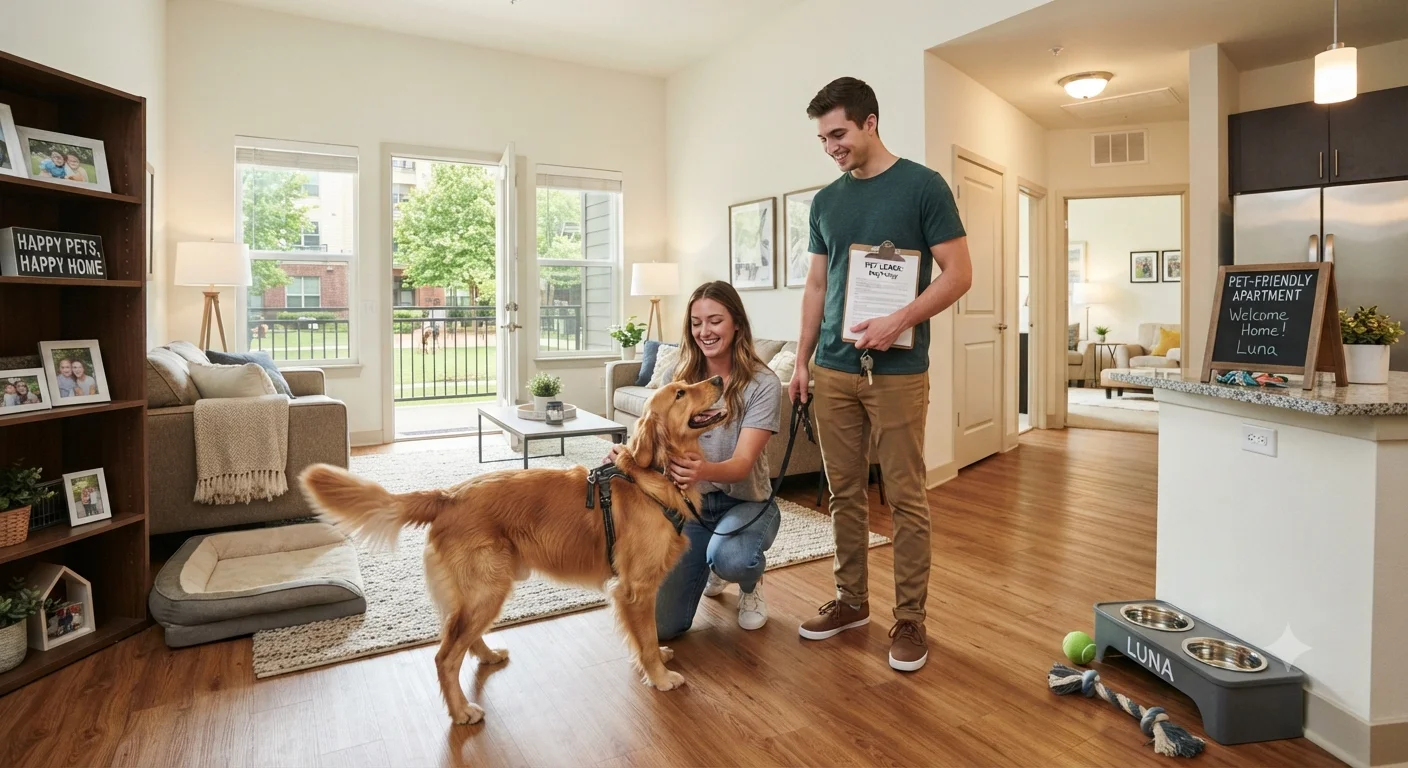
read more about pet-friendly apartment
The debate over house vs villa has no universal answer because every dog and every family has unique needs. A villa with garden offers outstanding advantages in terms of privacy, outdoor space, and exercise opportunities, making it particularly attractive for active breeds, multiple-dog households, and owners who enjoy spending time outdoors.
However, a well-designed dog-friendly home in the form of a traditional house can provide an equally fulfilling life when paired with regular walks, consistent training, and plenty of attention. Spacious gardens are valuable, but they cannot replace daily interaction, mental stimulation, and responsible pet ownership.
the best home for dogs is one where they feel safe, loved, and included as part of the family. Whether you choose a house or a pet-friendly property with extensive outdoor space, your commitment to meeting your dog’s physical and emotional needs will have the greatest impact on their health, happiness, and quality of life.