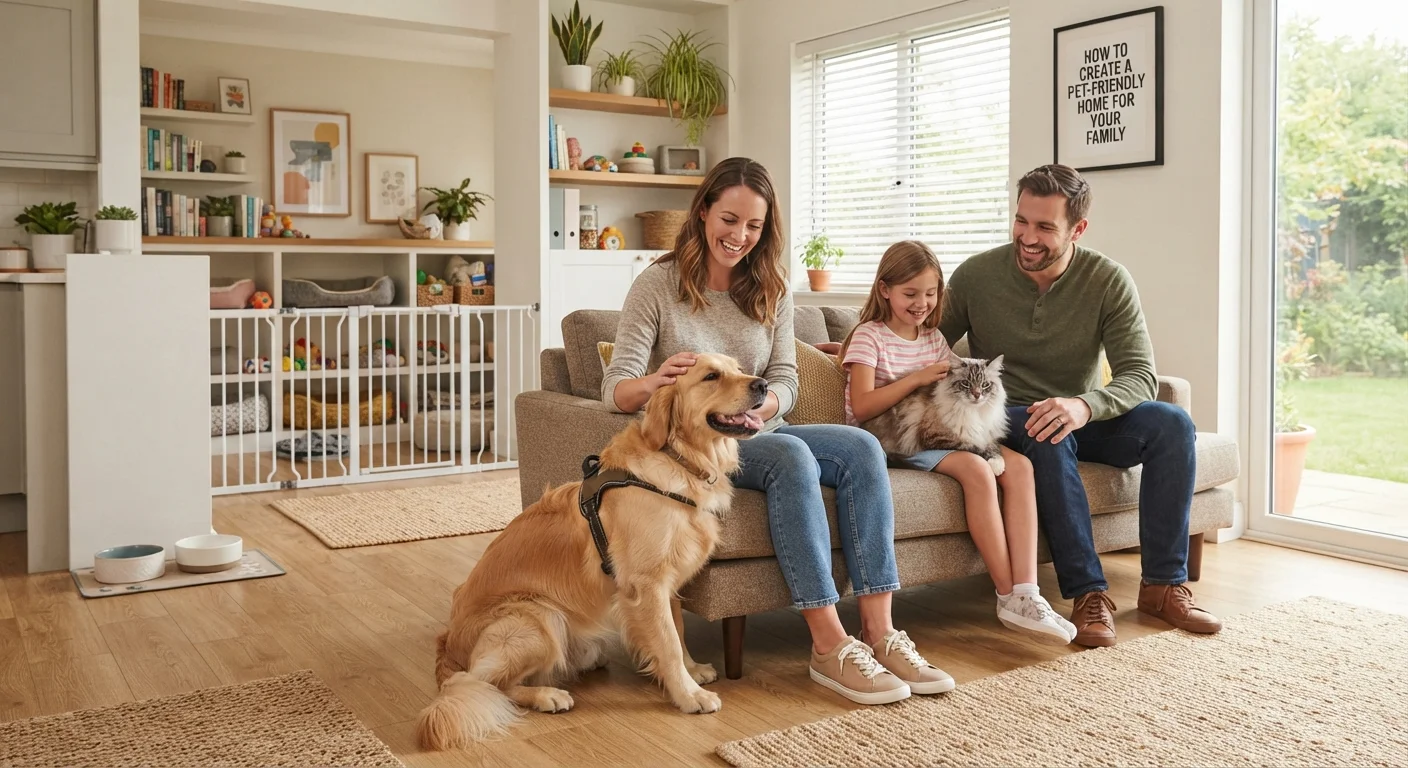
Bringing a pet into your home is one of the most rewarding experiences for any family. Whether you own a playful puppy, an energetic adult dog, or multiple pets, your living environment plays a significant role in their health, safety, and overall happiness. A well-designed pet-friendly home doesn’t just accommodate animals—it creates a comfortable space where every member of the family can thrive together.
Many people focus on buying toys, beds, or food when welcoming a pet, but the home itself is just as important. Everything from flooring materials and furniture placement to outdoor security and storage solutions affects your pet’s daily life. A thoughtfully planned dog-friendly home minimizes hazards, encourages healthy behavior, and makes everyday routines easier for both pets and owners.
Creating a pet-safe home doesn’t require expensive renovations. Often, small changes such as organizing electrical cords, choosing durable materials, and providing dedicated pet spaces can dramatically improve your home’s functionality. Whether you live in a house, apartment, or villa, adopting a pet-friendly living approach helps protect your pets while preserving the beauty and practicality of your home.
This comprehensive guide explains the essential features every home for pets should include and offers practical tips to make daily life safer, cleaner, and more enjoyable.
read more about smart home control
Why a Pet-Friendly Home Matters
Pets spend most of their lives inside or around the home. Their surroundings influence:
- Physical health.
- Emotional well-being.
- Behavior.
- Confidence.
- Safety.
- Exercise habits.
A well-planned environment reduces stress while encouraging positive behaviors such as relaxation, play, and healthy exploration.
For families, a pet-friendly home also simplifies cleaning, reduces accidents, and creates a more harmonious lifestyle.
Understanding Your Pet’s Needs
Before making changes to your home, consider your pet’s individual needs.
Factors include:
- Species.
- Breed.
- Age.
- Size.
- Activity level.
- Medical conditions.
- Personality.
A senior dog recovering from arthritis has different requirements than an energetic young puppy. Similarly, large breeds require more space than toy breeds.
Understanding these differences allows you to design a home that supports your pet’s unique lifestyle.
Choosing Pet-Friendly Flooring
Flooring is one of the most important decisions in any dog-friendly home.
Pets frequently:
- Run.
- Jump.
- Play.
- Spill water.
- Track mud indoors.
Your flooring should withstand daily wear while remaining comfortable for paws.
Luxury Vinyl Plank
Luxury vinyl flooring is one of the best choices because it offers:
- Water resistance.
- Scratch resistance.
- Easy cleaning.
- Comfortable traction.
- Attractive appearance.
It performs well in busy family homes.
Tile Flooring
Tile is durable and easy to maintain.
Benefits include:
- Moisture resistance.
- Easy stain removal.
- Long lifespan.
- Allergy-friendly surface.
Area rugs can provide additional comfort during colder months.
Engineered Hardwood
Unlike traditional hardwood, engineered wood offers greater resistance to moisture while maintaining a natural appearance.
Choose durable finishes to reduce visible scratches.
Flooring to Use Carefully
Some flooring materials require additional consideration.
Traditional Hardwood
Although beautiful, hardwood may scratch more easily under active dogs with long nails.
Regular nail trimming helps minimize damage.
Carpet
Carpets provide warmth but may:
- Trap pet hair.
- Absorb odors.
- Stain easily.
- Hold allergens.
If you prefer carpet, choose stain-resistant varieties with low pile.
read more about housewarming gifts
Selecting Durable Furniture
Furniture should balance comfort with durability.
Pet-friendly fabrics include:
- Leather.
- Performance fabrics.
- Microfiber.
- Tightly woven upholstery.
These materials resist stains and are generally easier to clean than delicate fabrics.
Protecting Your Furniture
Simple accessories help extend furniture life.
Consider:
- Washable furniture covers.
- Throw blankets.
- Protective arm covers.
- Waterproof cushion liners.
These additions preserve furniture while maintaining a stylish appearance.
Organizing Pet Supplies
A clutter-free home for pets makes daily routines much easier.
Create dedicated storage for:
- Food.
- Treats.
- Toys.
- Leashes.
- Grooming supplies.
- Cleaning products.
- Medical records.
Labeling storage containers helps every family member stay organized.
Creating a Comfortable Sleeping Area
Every pet deserves a quiet place to rest.
An ideal sleeping area should be:
- Away from heavy foot traffic.
- Comfortable.
- Well ventilated.
- Easy to access.
- Free from constant noise.
Providing a consistent sleeping location helps pets establish routines and reduces anxiety.
Choosing the Right Pet Bed
Different pets require different levels of support.
Options include:
- Orthopedic beds for senior dogs.
- Cooling beds for hot climates.
- Washable beds for puppies.
- Raised beds for outdoor use.
The bed should be appropriately sized so your pet can stretch comfortably.
Safe Food and Water Stations
Designate one permanent feeding area.
Choose a location that is:
- Quiet.
- Easy to clean.
- Away from walkways.
- Accessible at all times.
Elevated feeding stations may improve comfort for some larger breeds.
Water Accessibility
Fresh water should always be available.
Place bowls:
- Indoors.
- Outdoors if appropriate.
- Away from electrical equipment.
- On waterproof mats.
Cleaning bowls daily helps maintain hygiene.
Managing Electrical Hazards
Young pets naturally explore with their mouths.
Protect them by:
- Covering electrical cords.
- Using cable organizers.
- Blocking unused outlets.
- Keeping chargers out of reach.
Preventing chewing reduces the risk of electrical injury.
Safe Storage of Household Chemicals
Cleaning products should always remain inaccessible.
Store safely:
- Detergents.
- Bleach.
- Floor cleaners.
- Garden chemicals.
- Paint products.
- Automotive fluids.
High cabinets with secure doors are ideal.
Choosing Pet-Safe Plants
Many decorative plants can be harmful to animals.
Before bringing new plants home, verify that they are non-toxic.
Pet-safe options allow you to enjoy indoor greenery without unnecessary risk.
Window Safety
Windows should provide fresh air without creating escape opportunities.
Use:
- Secure screens.
- Window guards where necessary.
- Limited opening widths.
Never assume standard insect screens can safely contain an excited pet.
Balcony Safety
Apartment balconies require additional precautions.
Install:
- Secure rail barriers.
- Protective mesh.
- Stable furniture placement.
Never leave pets unsupervised on elevated balconies.
Creating Indoor Play Areas
Mental stimulation is just as important as physical exercise.
Indoor enrichment ideas include:
- Puzzle feeders.
- Interactive toys.
- Snuffle mats.
- Tug games.
- Training sessions.
These activities reduce boredom and encourage healthy behavior.
Building Safe Outdoor Spaces
If your property includes a yard, safety should be the first priority.
Essential features include:
- Secure fencing.
- Lockable gates.
- Shade.
- Fresh water.
- Safe landscaping.
A secure yard allows pets to explore confidently while giving owners peace of mind.
Fence Considerations
Choose fencing appropriate for your pet’s size and athletic ability.
Inspect regularly for:
- Loose boards.
- Gaps.
- Broken latches.
- Digging areas.
- Rusted components.
Routine maintenance prevents accidental escapes.
Providing Shade Outdoors
Pets should always have access to protection from direct sunlight.
Natural shade from trees or covered patios helps prevent overheating during warm weather.
Fresh drinking water should remain available outdoors at all times.
Keeping Your Home Clean with Pets
Pet ownership naturally creates additional cleaning responsibilities.
Helpful habits include:
- Vacuuming regularly.
- Washing pet bedding weekly.
- Cleaning food bowls daily.
- Grooming pets routinely.
- Wiping paws after walks.
Consistent cleaning improves both hygiene and indoor air quality.
Managing Pet Hair
Shedding is unavoidable for many breeds.
Reduce loose hair by:
- Brushing regularly.
- Using grooming gloves.
- Vacuuming frequently.
- Washing blankets often.
Preventive grooming significantly reduces hair accumulation indoors.
Managing Pet Odors
Fresh-smelling homes begin with proper hygiene.
Focus on:
- Regular bathing.
- Clean bedding.
- Air circulation.
- Immediate accident cleanup.
- Routine litter or waste management.
Avoid heavily scented products that may irritate sensitive pets.
Making Your Home Comfortable Year-Round
Indoor temperatures should remain comfortable throughout every season.
Provide:
- Warm bedding during winter.
- Cool resting areas during summer.
- Adequate ventilation.
- Climate control where necessary.
Comfortable temperatures support overall health and well-being.
we’ll explore advanced pet-friendly living ideas, room-by-room safety improvements, child and pet coexistence, travel preparation, home maintenance strategies, and practical upgrades that make every pet-friendly home safer, cleaner, and more enjoyable for the entire family.
read more about new home gifts
Designing a Pet-Friendly Living Room
The living room is often where families and pets spend the most time together. Creating a comfortable, organized space benefits everyone while reducing the risk of accidents.
To make your living room a better pet-friendly home, consider:
- Choosing durable furniture fabrics.
- Securing loose electrical cords.
- Using washable area rugs.
- Keeping fragile decorations out of reach.
- Providing a dedicated pet bed.
A comfortable resting area encourages your pet to relax instead of climbing onto furniture.
Creating Safe Walkways
Pets often run excitedly through the house.
Keep walkways clear by removing:
- Loose shoes.
- Children’s toys.
- Extension cords.
- Small decorative objects.
- Unstable furniture.
Open pathways reduce slips, falls, and injuries for both pets and family members.
Organizing the Kitchen
The kitchen contains many hidden dangers for curious pets.
Store securely:
- Sharp utensils.
- Cleaning supplies.
- Chocolate.
- Grapes and raisins.
- Onions and garlic.
- Medications.
- Alcohol.
Trash bins should have secure lids to prevent pets from accessing harmful food waste.
Making the Bedroom Comfortable
Bedrooms often become a favorite resting place for pets.
To create a safer home for pets, remember to:
- Keep medications inside drawers.
- Store jewelry safely.
- Avoid dangling cords.
- Wash pet bedding regularly.
- Keep laundry baskets covered.
If your pet sleeps in your room, ensure they have their own comfortable sleeping space.
Bathroom Safety
Bathrooms contain several common hazards.
Keep pets away from:
- Human medications.
- Cleaning chemicals.
- Razors.
- Hair products.
- Open toilet bowls.
Cabinet locks can provide additional protection for curious puppies.
Laundry Room Hazards
Laundry products may smell appealing but can be dangerous.
Always store:
- Detergent pods.
- Fabric softeners.
- Bleach.
- Stain removers.
Dryers and washing machines should always be checked before use, especially if you own small pets that enjoy hiding in warm spaces.
Home Office Considerations
Working from home has become increasingly common.
A dog-friendly home office should include:
- A comfortable pet bed nearby.
- Protected computer cables.
- Secure office chairs.
- Quiet enrichment toys.
- Water access.
This setup allows your pet to stay close without interrupting your work.
Creating Quiet Spaces
Pets occasionally need breaks from household activity.
Quiet spaces are especially valuable during:
- Family gatherings.
- Children’s parties.
- Home renovations.
- Storms.
- Fireworks.
A peaceful retreat helps reduce stress and anxiety.
Introducing New Pets
If you’re bringing home another pet, prepare your environment in advance.
Provide separate:
- Food bowls.
- Water bowls.
- Beds.
- Toys.
- Resting spaces.
Gradual introductions often produce better long-term relationships between pets.
Living with Children and Pets
A successful pet-friendly living environment protects both children and animals.
Teach children to:
- Respect resting pets.
- Avoid pulling tails or ears.
- Leave pets alone while eating.
- Use gentle handling.
- Recognize signs of stress.
Supervision is essential, particularly with young children.
Choosing Safe Toys
Not all toys are equally safe.
Choose toys appropriate for your pet’s:
- Size.
- Age.
- Chewing strength.
Inspect toys regularly for damage and replace worn items before they become choking hazards.
Pet-Proofing During Holidays
Holiday decorations often introduce new risks.
Keep pets away from:
- Electrical lights.
- Glass ornaments.
- Ribbon.
- Tinsel.
- Candles.
- Wrapped chocolates.
Decorating with safety in mind helps everyone enjoy the season.
Preparing for Emergencies
Every pet-safe home should include an emergency plan.
Prepare a pet emergency kit containing:
- Food.
- Water.
- Medications.
- Medical records.
- Vaccination documents.
- Extra leash.
- Collar.
- Waste bags.
- Favorite toy.
Having supplies ready makes unexpected situations much less stressful.
Fire Safety
Pets should be included in every household fire evacuation plan.
Helpful precautions include:
- Smoke detectors.
- Easily accessible leashes.
- Clearly marked pet carriers.
- Emergency contact information.
Never leave pets inside a building during a fire.
Improving Indoor Air Quality
Good air quality benefits both humans and animals.
Maintain fresh air by:
- Replacing HVAC filters regularly.
- Vacuuming frequently.
- Grooming pets consistently.
- Opening windows when weather permits.
- Using pet-safe cleaning products.
Reducing airborne allergens creates a healthier environment.
Choosing Pet-Safe Cleaning Products
Many common household cleaners contain ingredients that may irritate pets.
Look for products specifically labeled as safe for use around animals, and always follow the manufacturer’s instructions.
Allow cleaned surfaces to dry completely before allowing pets back into the area.
Creating Enrichment Zones
A stimulating home for pets encourages natural behaviors.
Create activity areas with:
- Puzzle feeders.
- Interactive toys.
- Snuffle mats.
- Chew stations.
- Training equipment.
Rotating toys every few days helps maintain your pet’s interest.
Managing Multiple Pets
Homes with several animals benefit from thoughtful organization.
Provide:
- Multiple feeding stations.
- Several water bowls.
- Separate sleeping areas.
- Individual toys.
- Quiet retreat spaces.
Reducing competition helps minimize stress between pets.
Outdoor Maintenance
Regular yard inspections improve safety.
Check for:
- Broken fencing.
- Sharp objects.
- Standing water.
- Toxic mushrooms.
- Damaged gates.
- Loose garden tools.
Routine inspections prevent many common outdoor accidents.
Seasonal Home Adjustments
Your pet-friendly home should adapt throughout the year.
During summer:
- Increase shade.
- Refresh outdoor water frequently.
- Limit activity during extreme heat.
During winter:
- Provide warm bedding.
- Dry paws after walks.
- Remove ice-melting chemicals from paws before entering the house.
Small seasonal adjustments improve your pet’s comfort and safety.
Signs Your Home Is Truly Pet-Friendly
A well-designed dog-friendly home usually includes:
- Safe flooring.
- Comfortable resting areas.
- Organized storage.
- Secure outdoor access.
- Clean feeding stations.
- Enrichment opportunities.
- Hazard-free rooms.
Most importantly, it provides a calm environment where pets feel safe and included as part of the family.
read more about pet-friendly apartment
Common Mistakes to Avoid
Many owners unintentionally create unnecessary risks.
Common mistakes include:
- Leaving food within reach.
- Ignoring loose electrical cords.
- Using toxic plants.
- Choosing slippery flooring.
- Leaving gates open.
- Storing medications carelessly.
- Skipping regular maintenance.
- Forgetting to inspect toys for damage.
Avoiding these issues significantly improves daily safety.
we’ll explore long-term strategies for maintaining a pet-friendly home, discuss smart home upgrades for pet owners, answer frequently asked questions, and provide expert recommendations for creating a comfortable, safe, and enjoyable pet-safe home that supports lifelong pet-friendly living for the entire family.
Maintaining a Pet-Friendly Home for the Long Term
Creating a pet-friendly home is not a one-time project. As your pet grows, their needs change, and your home should evolve with them. Puppies become active adults, senior pets may require additional support, and families often add new pets over time.
Regularly reviewing your home’s safety and comfort helps ensure it continues to meet everyone’s needs.
Simple maintenance routines can make a significant difference in keeping your living space clean, organized, and welcoming.
Adapting Your Home as Your Pet Ages
Young pets are naturally curious and energetic, while older pets often need extra comfort.
As pets grow older, consider adding:
- Orthopedic beds.
- Non-slip rugs.
- Pet ramps.
- Easier access to food and water.
- Night lighting for improved visibility.
Small changes can greatly improve mobility and quality of life for senior animals.
Building Healthy Daily Routines
A comfortable dog-friendly home is supported by predictable daily routines.
Healthy habits include:
- Regular feeding times.
- Daily walks.
- Scheduled play sessions.
- Grooming routines.
- Quiet rest periods.
Consistent schedules help pets feel secure and reduce anxiety.
Smart Storage Solutions
Organized storage makes caring for pets much easier.
Keep everyday essentials together, including:
- Food.
- Treats.
- Waste bags.
- Grooming brushes.
- Leashes.
- First-aid supplies.
- Cleaning products.
Using labeled containers helps every family member quickly find what they need.
Keeping Your Home Fresh
A clean environment improves comfort for both pets and people.
Helpful habits include:
- Vacuuming several times each week.
- Washing pet blankets regularly.
- Cleaning food and water bowls daily.
- Wiping muddy paws after outdoor walks.
- Grooming pets consistently.
Regular cleaning also reduces allergens and unpleasant odors.
Managing Shedding Throughout the Year
Many dogs shed seasonally, while others shed continuously.
To reduce loose hair:
- Brush your pet frequently.
- Use appropriate grooming tools.
- Bathe when necessary.
- Wash bedding often.
- Vacuum furniture regularly.
Routine grooming is one of the simplest ways to maintain a clean home for pets.
Making Outdoor Spaces More Enjoyable
If you have a yard, create an outdoor environment where your pet can safely relax and play.
Helpful additions include:
- Comfortable shaded areas.
- Fresh water stations.
- Durable toys.
- Secure fencing.
- Comfortable resting spots.
A well-maintained outdoor area supports both exercise and relaxation.
Encouraging Mental Stimulation
Physical exercise is only one part of a healthy lifestyle.
Mental enrichment helps prevent boredom and destructive behaviors.
Activities include:
- Food puzzles.
- Hide-and-seek games.
- Basic obedience practice.
- Nose work exercises.
- Interactive toys.
Rotating enrichment activities keeps your pet interested and engaged.
Supporting Good Behavior at Home
Positive behavior becomes easier to maintain when your environment encourages success.
Reward your pet for:
- Resting calmly.
- Greeting visitors politely.
- Waiting patiently.
- Using designated sleeping areas.
- Playing with appropriate toys.
Consistency strengthens good habits over time.
Creating Comfortable Spaces for Every Family Member
Pets appreciate having places where they can relax without interruption.
Provide:
- Quiet corners.
- Comfortable bedding.
- Easy access to water.
- Natural light when possible.
- Areas away from constant household activity.
Respecting these spaces helps pets feel secure.
Technology for Pet Owners
Modern technology can make pet-friendly living more convenient.
Useful products include:
- Automatic feeders.
- Water fountains.
- Indoor pet cameras.
- Smart lighting.
- GPS pet trackers.
- Programmable thermostats.
While these tools add convenience, they should complement—not replace—daily interaction with your pet.
Preparing Your Home for Guests
Not every visitor is familiar with pets.
Before guests arrive:
- Put away favorite chew toys.
- Secure food.
- Explain household pet rules.
- Provide your pet with a quiet retreat if needed.
Planning ahead creates a more comfortable experience for everyone.
Moving to a New Home with Pets
Relocating can be stressful for animals.
Help your pet adjust by:
- Keeping familiar bedding.
- Maintaining regular feeding schedules.
- Introducing new rooms gradually.
- Supervising outdoor exploration.
- Offering plenty of reassurance.
Patience helps pets settle into unfamiliar surroundings more quickly.
Travel Preparation
Whether traveling for a weekend or an extended vacation, preparation is essential.
Pack:
- Food.
- Water.
- Bowls.
- Leash.
- Waste bags.
- Medical records.
- Favorite toys.
- Medications.
Having familiar items helps reduce travel-related stress.
Frequently Asked Questions
What makes a home truly pet-friendly?
A pet-friendly home combines safety, comfort, durability, and enough space for pets to rest, play, and move freely while minimizing everyday hazards.
Can apartments be pet-friendly?
Yes. Apartments can provide excellent environments when owners prioritize exercise, enrichment, and thoughtful organization.
How often should I inspect my home for hazards?
A quick inspection every few weeks is a good habit, especially if you have puppies or highly curious pets.
What flooring works best in a dog-friendly home?
Luxury vinyl, tile, and high-quality engineered wood are popular choices because they are durable, easy to clean, and resistant to moisture.
How can I reduce pet odors naturally?
Regular grooming, frequent cleaning of bedding, proper ventilation, and prompt cleanup of accidents all help maintain a fresh-smelling home.
Should pets have their own sleeping area?
Yes. Every home for pets should include a quiet, comfortable place where animals can rest undisturbed.
Is a fenced yard necessary?
A fenced yard is highly beneficial for dogs, but it should complement—not replace—daily walks and supervised outdoor activities.
How do I make my home safer for a puppy?
Remove electrical hazards, secure chemicals, block access to dangerous areas, store small objects safely, and supervise exploration until your puppy learns household boundaries.
Can multiple pets comfortably share one home?
Absolutely. Providing separate feeding areas, resting spaces, toys, and enough room for each pet helps reduce competition and encourages harmony.
How important is mental stimulation?
Mental exercise is just as valuable as physical activity. Puzzle toys, training sessions, scent games, and interactive play all contribute to a happier, healthier pet.
Common Mistakes to Avoid
Many pet owners unintentionally overlook simple improvements.
Avoid:
- Leaving hazardous items within reach.
- Allowing clutter to accumulate.
- Ignoring damaged fences.
- Skipping regular grooming.
- Using unsafe cleaning products.
- Choosing delicate furniture without protection.
- Forgetting seasonal safety adjustments.
- Neglecting mental enrichment.
Correcting these small issues makes everyday life safer and more enjoyable.
Final Tips for Successful Pet-Friendly Living
Creating a successful pet-safe home doesn’t require luxury or expensive renovations. Instead, focus on thoughtful planning, consistency, and understanding your pet’s needs.
Remember to:
- Prioritize safety first.
- Keep living spaces organized.
- Provide daily exercise.
- Encourage mental stimulation.
- Maintain regular cleaning routines.
- Schedule preventive veterinary care.
- Continue adapting your home as your pet grows.
These habits create a healthier environment for both pets and people.
read more about house vs villa
Building a pet-friendly home is about creating an environment where every member of the family—including your pets—can feel safe, comfortable, and happy. From choosing durable flooring and secure outdoor spaces to organizing supplies and providing enriching daily activities, every thoughtful decision contributes to a better quality of life.
A truly dog-friendly home goes beyond attractive design. It supports healthy routines, encourages positive behavior, and minimizes potential hazards through smart planning and regular maintenance. Whether you live in a compact apartment, a suburban house, or a spacious villa, embracing pet-friendly living allows you to create a welcoming home for pets that adapts to changing needs over time.
the most valuable feature of any pet-safe home is the care and commitment of the people who live there. With patience, preparation, and consistent attention to your pet’s well-being, your home can become a place where your entire family—both human and animal—enjoys a safe, loving, and fulfilling life together.