Buying a home is often viewed as one of the most important financial decisions a person can make. Buyers usually focus on the purchase price, mortgage payment, deposit, and closing costs when calculating whether a property fits their budget. However, the actual cost of homeownership extends well beyond the amount paid to purchase the property.
Home ownership costs can continue for years after the keys are handed over. Some expenses are predictable, such as property taxes, insurance, utilities, and routine maintenance. Others are less obvious, including emergency repairs, service charges, renovation projects, replacement of appliances, landscaping, and the gradual deterioration of major components such as roofs, plumbing systems, electrical systems, windows, and heating or cooling equipment.
These hidden home costs do not necessarily make buying a property a bad financial decision. Instead, understanding them allows prospective buyers to create a realistic ownership budget and avoid unpleasant financial surprises.
This guide explains the major expenses associated with property ownership, why buyers often overlook them, and how to prepare for both routine and unexpected costs.
read more about residential community
Why the Purchase Price Is Only Part of the Cost
The difference between buying a home and owning a home
The purchase price tells you what it costs to acquire the property, but it does not tell you what it costs to operate and preserve it.
A homeowner may have to pay for insurance, taxes, utilities, repairs, maintenance, improvements, and other property-related services. Some of these expenses occur monthly, while others appear annually or only when something needs to be replaced.
For example, a home might appear affordable based on its mortgage payment, but an older property could require significant spending on plumbing, electrical work, roofing, windows, or appliances during the first few years of ownership.
The total financial commitment therefore consists of both the initial acquisition costs and the continuing expenses of property ownership.
Why hidden costs are easy to underestimate
Many buyers concentrate on expenses that lenders, agents, or sellers commonly discuss. Recurring maintenance and future repairs can receive much less attention because they are not always included in a standard monthly housing payment.
Another reason is that individual expenses may appear small when considered separately. A routine service visit, minor plumbing repair, annual insurance premium, or seasonal maintenance bill may not seem significant. However, multiple expenses can accumulate into a substantial annual amount.
Home Maintenance Expenses
Routine maintenance
Maintenance is one of the most important ongoing home ownership costs.
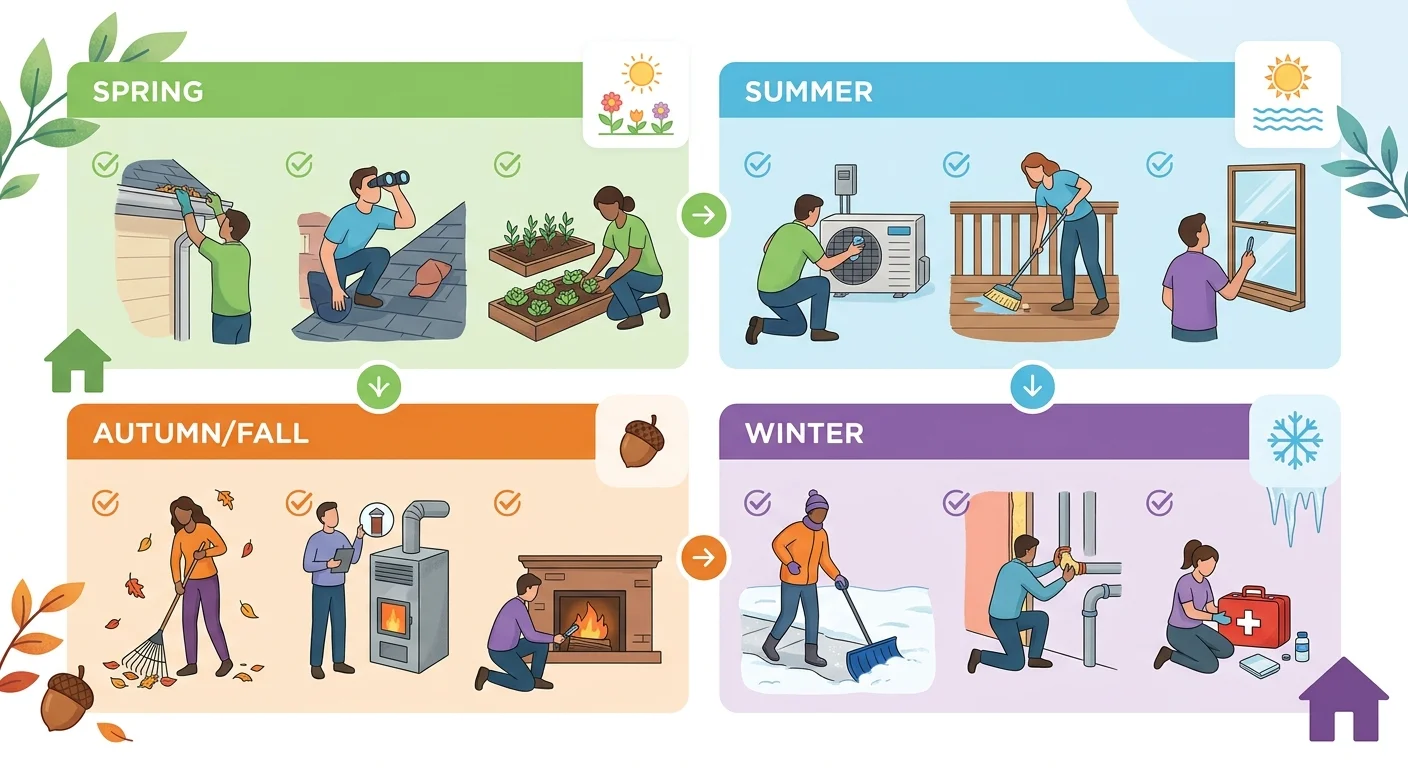
Every property requires regular attention to remain safe, functional, and in good condition. Maintenance can include cleaning gutters, servicing heating and cooling systems, checking plumbing fixtures, maintaining appliances, inspecting the roof, sealing gaps, repainting surfaces, and addressing minor problems before they become major ones.
The amount spent on maintenance depends heavily on the home’s age, size, construction quality, climate, materials, and systems.
A newly constructed home may require less immediate maintenance, while an older property may require more frequent attention.
Preventive maintenance versus reactive repairs
Preventive maintenance is generally easier to budget for because it can be planned.
For example, scheduling regular air-conditioning servicing may help identify a problem before the equipment stops working. Similarly, fixing a small leak early can potentially prevent more extensive water damage.
Reactive repairs happen after a problem has already developed. These expenses can be more difficult to predict and may be more expensive because the homeowner is dealing with an urgent situation.
A realistic homeownership budget should account for both categories.
Property Insurance
Insurance is an ongoing ownership expense
Property insurance is another cost that buyers sometimes underestimate because it is separate from the purchase price and may not be included in the advertised cost of a home.
Depending on the location and insurance policy, coverage may protect against certain forms of property damage, liability claims, theft, fire, storms, or other risks.
The actual premium depends on factors such as the property’s location, construction, replacement value, coverage limits, deductible, claims history, and the risks covered by the policy.
Insurance does not cover every problem
Homeowners should not assume that every repair will automatically be paid for by insurance.
Policies generally contain exclusions, deductibles, coverage limits, and specific conditions. Normal wear and tear, aging components, and certain maintenance-related problems may not be covered.
This means homeowners may still need an emergency fund even when they have comprehensive insurance.
Property Taxes and Local Charges
Property taxes
Property taxes can represent a significant recurring cost depending on the jurisdiction.
Unlike a one-time purchase expense, taxes may continue for as long as the person owns the property. They can also change over time based on local regulations, property assessments, or other factors.
Buyers should investigate the applicable tax structure before purchasing a home rather than assuming that the current amount will remain unchanged.
Additional local charges
Some properties may also be subject to local fees, community charges, waste collection fees, infrastructure-related charges, or other government or municipal expenses.
The exact structure varies considerably by location.
Understanding these obligations before buying is particularly important when comparing properties in different areas because two homes with similar purchase prices can have very different annual ownership expenses.
Homeowners Association and Service Charges
What service charges can include
Apartments, gated communities, condominiums, and managed residential developments may involve service charges or association fees.
These payments can help cover shared services and common areas such as:
Building cleaning
Security
Elevators
Swimming pools
Gardens
Parking areas
Common lighting
Waste management
Building management
Shared maintenance
Community facilities
The amount varies according to the property and the services provided.
Special assessments and unexpected increases
A regular service charge is only part of the potential cost.
A building or community may occasionally require major work, such as repairing common infrastructure, repainting exterior areas, replacing elevators, renovating shared facilities, or addressing structural issues.
In some situations, owners may be asked to contribute additional money beyond their normal service charges.
Prospective buyers should therefore review the rules, fee history, planned projects, and financial condition of the relevant association or property management structure.
read more about home maintenance checklist
Utilities and Everyday Operating Costs
Utilities are part of homeownership
Electricity, water, gas, internet, waste services, and other household utilities are recurring costs that can easily be overlooked when calculating the affordability of a property.
A larger home may consume more electricity for lighting and cooling. Older properties may also have less efficient insulation, windows, appliances, or mechanical systems.
The cost of utilities therefore depends not only on household habits but also on the characteristics of the property itself.
Energy efficiency can affect long-term costs
Two homes with similar purchase prices can have very different operating expenses.
Energy-efficient windows, insulation, efficient air-conditioning systems, modern appliances, and appropriate lighting can reduce ongoing energy consumption.
Before buying, it can be useful to examine previous utility bills when they are available and assess the home’s major energy-consuming systems.
Emergency Repairs
Why emergency repairs are difficult to budget
Emergency repairs are among the most unpredictable hidden home costs.
A water heater can fail unexpectedly. A pipe can burst. An air-conditioning system can stop working during extreme weather. Electrical faults can require immediate attention. A roof can develop a serious leak after severe weather.
Unlike planned maintenance, emergency repairs often cannot be postponed.
Common emergency expenses
Potential emergency repairs include:
Burst or leaking pipes
Major plumbing failures
Electrical faults
Air-conditioning breakdowns
Water heater replacement
Roof leaks
Sewer or drainage problems
Broken windows or doors
Appliance failure
Water damage
Pest infestations
Damage caused by severe weather
The cost can range from relatively minor repairs to major projects involving several systems at once.
Why an emergency fund matters
An emergency fund provides financial flexibility when unexpected repairs occur.
Without one, a homeowner may have to use credit, borrow money, postpone necessary repairs, or make other financial compromises.
The appropriate reserve depends on the property’s age, size, condition, systems, and the homeowner’s financial situation. Older homes generally warrant greater attention to potential repair costs because more components may be approaching the end of their useful lives.
Renovation and Remodeling Costs
Renovations are rarely limited to the headline price
Renovation is another major category of property ownership costs.
A homeowner may initially budget for new kitchen cabinets, bathroom improvements, flooring, painting, or landscaping. However, projects frequently involve additional expenses that become visible only after work begins.
For example, replacing a bathroom may reveal old plumbing that also needs to be upgraded. Removing flooring may expose damaged subflooring. Renovating a kitchen may require electrical modifications or additional plumbing work.
Permits, labor, materials, and waste
A renovation budget may need to include:
Materials
Labor
Design fees
Contractor costs
Permits
Delivery
Waste disposal
Temporary accommodation
Replacement fixtures
Unexpected structural or mechanical work
A contingency amount can help protect the budget against unforeseen conditions.
Cosmetic versus structural improvements
Not every renovation has the same financial importance.
Cosmetic projects may include painting, decorative changes, lighting, or replacing finishes. Structural improvements can involve roofing, foundations, plumbing, electrical systems, insulation, or major alterations.
Homeowners should distinguish between improvements that are primarily aesthetic and work that protects the property’s condition or safety.
read more about floor plan guide
Appliance Replacement
Appliances have limited lifespans
When purchasing a home, buyers may focus on whether appliances are included. However, included appliances should not be considered permanent assets.
Refrigerators, washing machines, ovens, dishwashers, water heaters, air-conditioning units, and other equipment eventually require repair or replacement.
If several appliances were installed around the same time, they may also reach the end of their useful lives within a similar period.
Budgeting for replacement
Homeowners can reduce financial surprises by keeping records of the age and condition of major appliances and mechanical equipment.
Instead of waiting for a failure, it can be useful to anticipate future replacement needs and gradually set money aside.
Landscaping and Outdoor Maintenance
Outdoor spaces require ongoing spending
A home with a garden, yard, balcony, pool, or other outdoor space may involve additional maintenance expenses.
Depending on the property, these could include gardening, irrigation, tree trimming, pest control, lawn maintenance, cleaning, outdoor lighting, fencing repairs, and equipment replacement.
Swimming pools can introduce additional costs for cleaning, filtration, water treatment, pumps, repairs, and seasonal maintenance.
Climate affects outdoor costs
Local weather conditions can have a major influence on outdoor maintenance.
Extreme heat, heavy rain, humidity, strong winds, or seasonal changes can accelerate deterioration of certain materials and increase the frequency of maintenance.
Buyers should consider the property’s environment rather than relying solely on the home’s interior condition.
Pest Control
Pest problems can become expensive
Pest control is another potential hidden home cost.
Depending on the location and construction of the property, homeowners may encounter insects, rodents, termites, or other pests.
Routine pest prevention may be relatively manageable, but extensive infestations can require professional treatment and repairs to damaged materials.
Prevention can reduce future expenses
Regular inspections, proper waste management, sealing openings, controlling moisture, and addressing leaks can help reduce the conditions that attract some pests.
The appropriate approach depends on the type of property and local pest risks.
Roofing and Exterior Maintenance
Roof repairs are often overlooked
The roof is one of the most important protective components of a home, but buyers may pay more attention to kitchens, bathrooms, flooring, and interior decoration during property viewings.
Roof deterioration can remain unnoticed until water enters the building.
Roof-related expenses can include inspections, cleaning, sealing, repairing damaged sections, replacing materials, and eventually installing a new roof.
Exterior materials also require care
Walls, windows, doors, balconies, fences, and other exterior components are exposed to weather conditions.
Paint can deteriorate. Sealants can fail. Metal can corrode. Wood can decay. Cracks can develop.
Regular inspection and maintenance can help identify problems before they become more expensive.
Plumbing and Electrical System Costs
Older systems can create additional expenses
Older homes may have plumbing and electrical systems that require upgrades or replacement.
Plumbing problems can include leaking pipes, blocked drains, damaged fixtures, low water pressure, or deteriorated supply lines.
Electrical issues can include outdated wiring, overloaded circuits, faulty switches, damaged outlets, or insufficient capacity for modern appliances.
Inspections can reveal potential costs
A professional home inspection can help identify visible problems before purchase.
An inspection does not eliminate all future repair risks, but it can provide information that helps buyers understand the condition of major systems and incorporate potential expenses into their financial planning.
Heating and Cooling Expenses
HVAC systems require more than electricity
Heating and cooling systems can create several types of costs.
Homeowners may need to pay for electricity or fuel, routine servicing, replacement filters, repairs, refrigerant-related work where applicable, and eventual equipment replacement.
The age and efficiency of the system can have a significant effect on long-term operating costs.
Major system replacement
Replacing a heating or cooling system can represent a substantial expense.
A buyer should therefore consider the age and condition of the equipment before purchasing a property. A lower-priced home with an aging mechanical system may require more spending shortly after purchase than a newer property with recently installed equipment.
read more about freehold vs leasehold
Moving and Initial Setup Costs
The expenses do not stop when the purchase closes
Moving into a home can create another group of expenses.
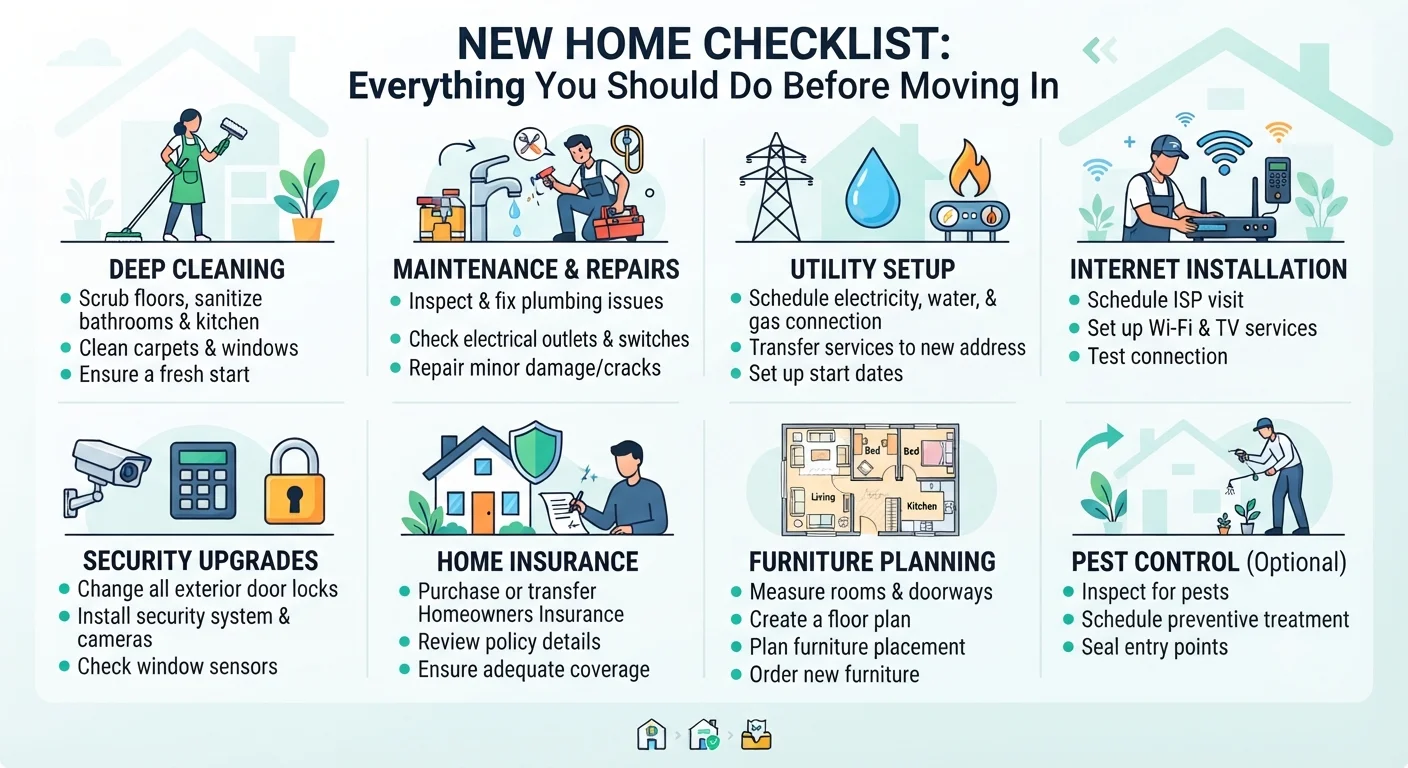
These may include movers, transportation, new furniture, curtains, lighting fixtures, locks, cleaning, appliances, storage, security equipment, and initial repairs.
Some buyers also underestimate the cost of making a property feel functional and comfortable after moving in.
Small purchases can accumulate
Individual household purchases may seem inexpensive, but dozens of small expenses can quickly become a substantial amount.
A homeowner may need everything from basic tools and cleaning supplies to furniture and storage solutions.
Including an initial setup budget can prevent these costs from being confused with regular living expenses.
Tools and Equipment for Homeowners
Owning a home often requires basic equipment
Renters can sometimes rely on landlords or property managers for repairs. Homeowners may need to handle minor maintenance themselves or hire professionals.
Basic tools can therefore become part of the cost of owning a property.
Depending on the home, this could include a ladder, screwdrivers, drills, wrenches, gardening tools, cleaning equipment, safety equipment, and other maintenance supplies.
Professional services remain an option
Homeowners do not need to perform every repair themselves.
Hiring qualified professionals can be necessary for electrical work, plumbing, structural repairs, roofing, major mechanical systems, and other specialized tasks.
Professional labor can represent a significant portion of maintenance expenses, particularly when multiple repairs are needed at once.
Security and Safety Costs
Security measures can add to the budget
Some homeowners choose to invest in security cameras, alarms, stronger locks, lighting, gates, intercom systems, or other security measures.
These are not always required, but they may represent part of the practical cost of making a property suitable for the owner’s needs.
Safety improvements
Other safety-related expenses can include smoke detectors, fire extinguishers, carbon monoxide detectors where relevant, child-safety equipment, emergency lighting, and improvements to stairs, balconies, or other potentially hazardous areas.
These expenses may be relatively small compared with the purchase price, but they should still be considered when establishing an initial ownership budget.
The Cost of Deferred Maintenance
Delaying repairs can increase the eventual bill
One of the most important principles of property ownership is that small problems can become larger problems when ignored.
A minor roof leak can contribute to extensive water damage. A small plumbing leak can damage cabinets, flooring, or walls. A minor electrical fault may indicate a larger system issue.
The longer maintenance is postponed, the greater the potential for additional damage.
Maintenance should be treated as a recurring financial responsibility
Instead of viewing maintenance as an unexpected inconvenience, homeowners can treat it as a normal component of property ownership.
A planned maintenance schedule combined with a dedicated savings reserve can make these expenses easier to manage.
How to Estimate Total Home Ownership Costs
Start with recurring expenses
The first step is to identify expenses that occur regularly.
These may include:
Mortgage or financing payments
Property taxes
Insurance
Service charges
Utilities
Routine maintenance
Security services
Landscaping
Internet and communication services
Recording these costs provides a baseline monthly and annual ownership budget.
Add irregular expenses
The next step is to estimate expenses that do not occur every month.
These may include appliance replacement, painting, major repairs, roof maintenance, renovations, pest control, and equipment replacement.
Although the exact timing is uncertain, homeowners can estimate an annual reserve for these categories.
Consider the property’s age and condition
A newly built home and an older home should not necessarily receive the same maintenance budget.
The age of the roof, plumbing, electrical system, appliances, windows, air-conditioning equipment, and other major components can influence future expenses.
A detailed inspection before purchase can help identify areas that may require attention.
read more about property appreciation
Homeownership provides a place to live and, depending on the market and individual circumstances, may serve as a long-term financial asset. However, the purchase price represents only one part of the financial commitment.
Maintenance expenses, insurance, taxes, service charges, utilities, renovations, appliance replacement, landscaping, professional services, and emergency repairs can all contribute to the total cost of property ownership.
Some expenses are predictable, while others are difficult to forecast. This is why buyers should evaluate a property based not only on whether they can afford to purchase it, but also whether they can comfortably maintain it over time.
Planning for hidden costs
The best way to prepare for hidden home costs is to treat them as a normal part of owning property rather than as rare exceptions.
Before purchasing, investigate the property’s condition, recurring charges, major systems, and likely maintenance requirements. After purchasing, maintain an emergency reserve and set aside money for future replacements and improvements.
A realistic homeownership budget does not need to predict every repair perfectly. It needs to recognize that repairs and maintenance are inevitable parts of owning a property and provide enough financial flexibility to handle them.
By looking beyond the purchase price and considering the complete cost of ownership, buyers can make more informed financial plans and reduce the likelihood of being surprised by expenses after moving into their new home.