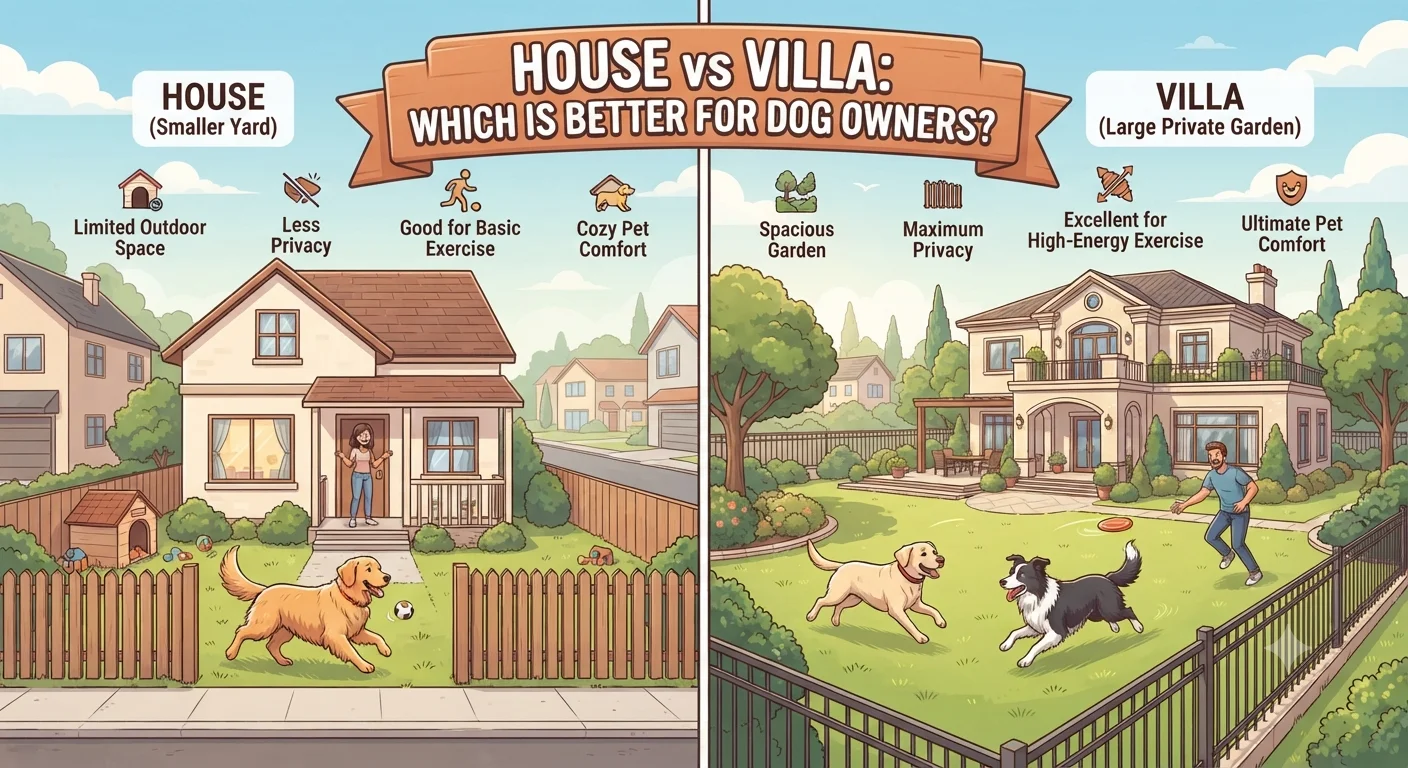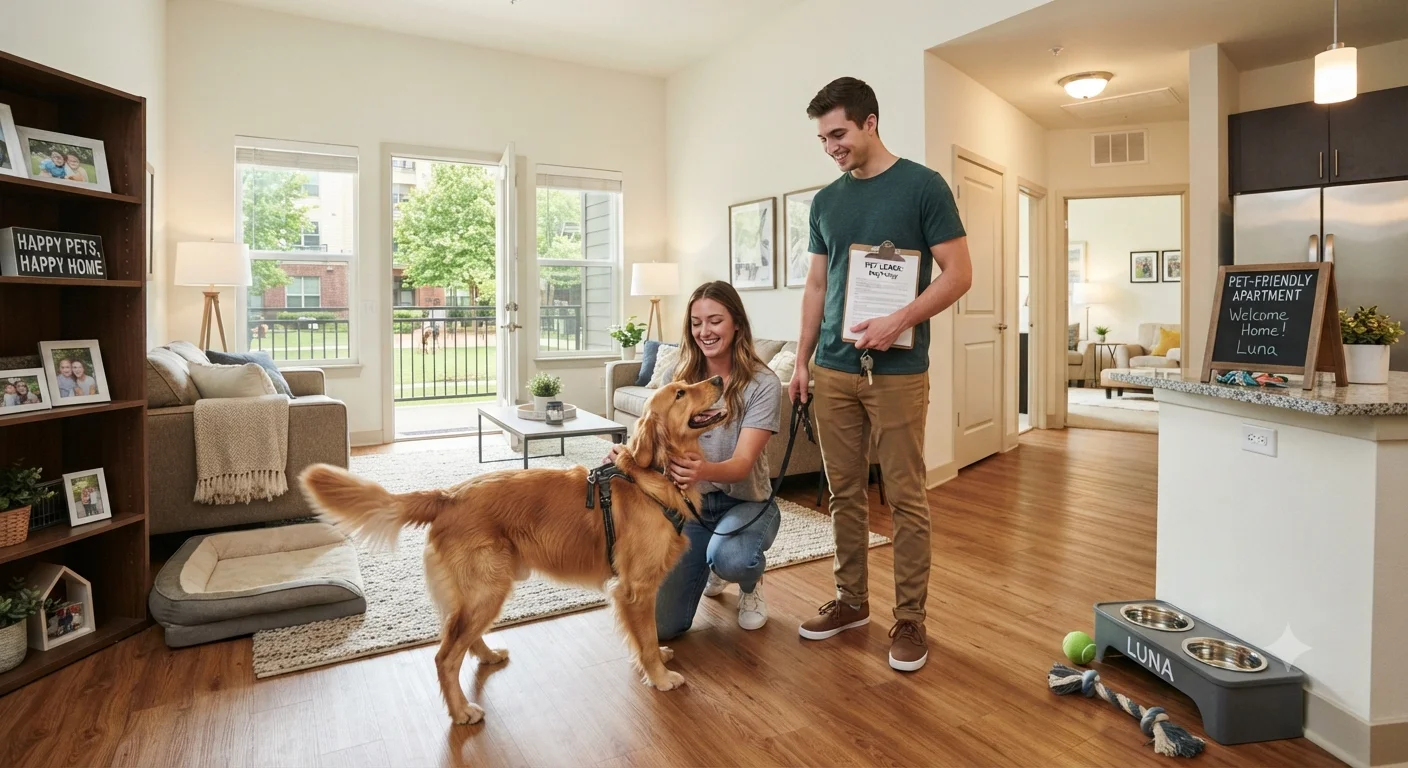
Finding the perfect home is exciting, but the process becomes more complex when you have a dog. Many renters focus on rent prices, neighborhood safety, or commute times, while overlooking one of the most important factors—the apartment’s ability to provide a healthy, safe, and comfortable environment for their furry companion. Choosing a pet-friendly apartment is about much more than finding a landlord who simply allows dogs. It involves evaluating space, policies, amenities, surrounding neighborhoods, and the overall quality of life your dog will experience every day.
For many people, dogs are family members rather than just pets. Their happiness directly affects the owner’s lifestyle, making it essential to select housing that supports both human and canine needs. Whether you own a playful Labrador, an energetic Border Collie, or a tiny French Bulldog, every breed has unique requirements that should influence your apartment search.
The modern rental market has become increasingly welcoming toward pets, yet not every pet-friendly rental offers the same experience. Some buildings advertise themselves as pet-friendly while imposing restrictive weight limits, breed restrictions, or expensive monthly pet fees. Others go above and beyond by offering dog parks, grooming stations, walking trails, and pet events that create a truly welcoming community.
This comprehensive guide explains everything you need to know before signing a lease. From understanding apartment policies to evaluating nearby parks, exercise areas, and indoor layouts, you’ll learn how to make the best decision for both you and your dog.
read more about community amenities
Why Choosing the Right Pet-Friendly Apartment Matters
Your apartment isn’t simply a place where your dog sleeps. It’s where they eat, play, rest, recover, and spend many hours while you’re at work. A poor housing choice can contribute to stress, boredom, anxiety, destructive behaviors, or even health issues.
A carefully selected dog-friendly apartment provides benefits that extend beyond convenience.
Some of these advantages include:
- Better physical health through accessible exercise opportunities.
- Reduced separation anxiety.
- Increased socialization with other dogs.
- Improved mental stimulation.
- Easier daily routines.
- Greater safety.
- Lower stress for both owner and pet.
When dogs live in an environment designed with their needs in mind, they tend to bark less, behave better, and adapt more quickly to apartment life.
What Does “Pet-Friendly Apartment” Actually Mean?
Many renters assume the phrase automatically guarantees a welcoming environment, but that’s not always true.
A true pet-friendly apartment typically includes several characteristics:
- Dogs are officially permitted under the lease.
- Clear pet policies without hidden restrictions.
- Reasonable pet deposits or fees.
- Accessible outdoor areas.
- Safe walking routes.
- Responsive management regarding pet concerns.
- Pet waste stations.
- Community guidelines that encourage responsible ownership.
Meanwhile, an apartment that merely allows dogs may still present significant challenges through excessive restrictions or inconvenient rules.
Understanding this distinction helps renters avoid unpleasant surprises after moving in.
read more about smart home devices
Start Apartment Hunting with Your Dog’s Needs First
One of the biggest mistakes people make during apartment hunting with pets is prioritizing their own preferences while assuming the dog will simply adjust.
Instead, begin by asking questions about your dog’s daily lifestyle.
Consider:
- How active is your dog?
- How much indoor space do they require?
- How often do they need bathroom breaks?
- Are they elderly or highly energetic?
- Do they bark frequently?
- Are they comfortable around elevators?
- Do they require outdoor exercise several times daily?
These answers should influence every apartment you consider.
For example, a young Husky has dramatically different housing requirements compared to a senior Shih Tzu.
Matching Apartment Size to Your Dog
Many renters believe larger dogs automatically require huge apartments. While size matters, activity level often matters even more.
An active medium-sized dog may require more exercise than a calm giant breed.
Still, apartment size remains important because dogs need room to move comfortably without constantly bumping into furniture.
Small Dogs
Examples include:
- Chihuahua
- Maltese
- Yorkshire Terrier
- Pomeranian
- Pug
These breeds generally adapt well to smaller apartments provided they receive daily walks and mental stimulation.
Medium Dogs
Examples include:
- Beagle
- Cocker Spaniel
- Australian Shepherd
- Border Collie
- Standard Poodle
Medium breeds benefit from apartments with open layouts and nearby parks for regular exercise.
Large Dogs
Examples include:
- Golden Retriever
- Labrador Retriever
- German Shepherd
- Doberman
- Rottweiler
Large breeds need enough room to stretch comfortably and should ideally have access to elevators or ground-floor units.
Giant Breeds
Examples include:
- Great Dane
- Mastiff
- Saint Bernard
- Irish Wolfhound
Despite their size, many giant breeds are relatively calm indoors, but cramped apartments may still reduce their comfort.
Floor Plans Matter More Than Square Footage
Many renters focus only on total square footage, yet layout often affects comfort more than the numbers.
A well-designed 800-square-foot apartment may feel far larger than a poorly designed 1,000-square-foot unit.
Look for:
- Open living areas.
- Wide hallways.
- Minimal clutter.
- Plenty of natural light.
- Durable flooring.
- Good airflow.
- Easy access to outdoor exits.
Open floor plans allow dogs to move more naturally throughout the apartment without feeling confined.
Best Flooring for Dogs
Flooring significantly affects cleanliness, comfort, and long-term maintenance.
Some materials perform much better than others.
Luxury Vinyl Flooring
One of the best options because it offers:
- Scratch resistance.
- Water resistance.
- Easy cleaning.
- Comfortable traction.
- Long lifespan.
Tile Floors
Tile works well because it:
- Stays cool.
- Cleans easily.
- Doesn’t trap odors.
- Resists moisture.
However, some dogs may slip unless rugs are added.
Hardwood Floors
Beautiful but vulnerable to:
- Nail scratches.
- Water damage.
- Wear over time.
Protective rugs become essential.
Carpet
Carpet often creates challenges because it absorbs:
- Hair.
- Dirt.
- Mud.
- Odors.
- Allergens.
While cozy, carpet generally requires more maintenance for dog owners.
Ground Floor or Upper Floor?
Every option has advantages.
Ground Floor Benefits
Many dog owners prefer first-floor apartments because they offer:
- Faster bathroom trips.
- Easier emergency access.
- Fewer stairs.
- Less elevator dependence.
- Reduced stress for elderly dogs.
However, they may experience:
- More foot traffic.
- Additional outside noise.
- Less privacy.
Upper Floors
Upper-floor units often provide:
- Better views.
- Increased privacy.
- Reduced outdoor disturbances.
But frequent elevator use can become inconvenient, particularly during potty training or emergencies.
Understanding Apartment Pet Policies
Never assume every building has identical rules.
Read every clause carefully before signing.
Common policies include:
Breed Restrictions
Some apartments restrict breeds such as:
- Pit Bulls
- Rottweilers
- Dobermans
- Cane Corsos
- Akitas
Restrictions vary significantly depending on local regulations and insurance requirements.
Weight Limits
Examples include:
- Under 25 pounds.
- Under 40 pounds.
- Under 60 pounds.
- No weight restrictions.
Always verify whether weight refers to current or adult size.
Number of Pets
Many landlords allow:
- One dog.
- Two pets total.
- Multiple pets with approval.
Vaccination Requirements
Some communities request proof of:
- Rabies vaccination.
- Distemper vaccination.
- Bordetella vaccine.
- Flea prevention.
Keeping veterinary records organized simplifies the leasing process.
Understanding Pet Deposits, Fees, and Monthly Rent
Financial policies differ widely among rental communities.
Typical charges include:
Refundable Pet Deposit
Returned after move-out if no damage occurs.
Non-Refundable Pet Fee
Covers cleaning and administrative expenses.
Monthly Pet Rent
Many communities charge an additional monthly amount for pets.
Although these costs increase housing expenses, they often help maintain pet-friendly amenities and property cleanliness.
Always calculate the total annual cost rather than focusing solely on base rent.
Visit the Apartment with Your Dog If Possible
Photos and virtual tours rarely reveal how comfortable an apartment truly feels.
If management allows, bring your dog during a viewing.
Observe:
- Their comfort level.
- Noise reactions.
- Hallway width.
- Elevator behavior.
- Other resident dogs.
- Outdoor walking areas.
- Overall atmosphere.
Dogs often notice environmental stressors that humans overlook.
Evaluate the Neighborhood, Not Just the Building
A wonderful apartment inside a poor neighborhood may create daily frustrations.
Remember that dogs spend considerable time outdoors walking with their owners.
Look for neighborhoods that offer:
- Sidewalks.
- Green spaces.
- Safe crossings.
- Low traffic.
- Adequate lighting.
- Friendly pet community.
Walk around during different times of day to understand the area’s environment.
Distance to Veterinary Care
Emergencies happen unexpectedly.
A quality apartment for dogs should ideally be located near:
- Veterinary clinics.
- Emergency animal hospitals.
- Pet pharmacies.
- Grooming services.
- Pet supply stores.
Quick access to healthcare provides valuable peace of mind.
Nearby Parks Make Daily Life Easier
Exercise remains one of the most important factors in apartment living.
Research nearby parks before signing a lease.
Ideal features include:
- Fenced dog parks.
- Walking trails.
- Open grassy fields.
- Water stations.
- Waste disposal bins.
- Separate areas for large and small dogs.
Even if your apartment lacks a private dog park, nearby public parks can provide excellent daily exercise opportunities.
Noise Levels Can Affect Your Dog’s Behavior
Some dogs adapt easily to city sounds, while others become anxious around constant noise.
Pay attention to:
- Highway traffic.
- Train tracks.
- Construction sites.
- Airports.
- Busy intersections.
- Nightlife districts.
- Loud neighbors.
Excessive noise may contribute to barking, stress, or poor sleep for both dogs and owners.
Think About Your Daily Routine
The best pet-friendly apartment isn’t necessarily the newest or most luxurious—it’s the one that fits your everyday lifestyle.
Ask yourself practical questions:
- How long is your commute?
- How often will your dog be left alone?
- Can you easily take them outside before work?
- Is there a nearby walking path for evening exercise?
- Are pet services such as daycare or dog walkers available if needed?
Choosing an apartment that complements your schedule can greatly improve your dog’s well-being and reduce stress for you as an owner.
Apartment Amenities That Make Life Better for Dogs
When comparing apartments, many renters focus on luxury amenities such as swimming pools, fitness centers, or coworking spaces. While these features may improve your lifestyle, your dog has a completely different list of priorities. The best dog-friendly apartment communities recognize this and provide amenities specifically designed for pets.
Some apartment complexes now compete to attract pet owners by offering impressive dog-focused facilities. These additions can significantly improve your pet’s daily routine while making your own responsibilities easier.
Useful pet amenities include:
- Private dog parks
- Fenced exercise areas
- Walking trails
- Pet washing stations
- Grooming rooms
- Waste bag dispensers
- Dog drinking fountains
- Pet relief stations
- Outdoor seating near dog areas
- Community pet events
Although not every apartment will include all these features, having even a few can dramatically enhance your living experience.
Is There Enough Outdoor Space?
Dogs may spend most of their time indoors, but outdoor access remains essential for physical and mental health.
When evaluating a pet-friendly rental, inspect the outdoor environment just as carefully as the apartment itself.
Look for:
- Clean grassy areas
- Shade during hot weather
- Safe walking paths
- Secure fencing
- Minimal traffic
- Benches for owners
- Good lighting at night
If your dog enjoys long walks, nearby trails or parks become even more valuable than a small on-site pet area.
Daily outdoor activity helps reduce obesity, anxiety, boredom, and destructive behavior.
read more about smart home control
Consider Your Dog’s Exercise Requirements
Every dog requires exercise, but the amount varies greatly depending on breed, age, and personality.
Low-energy breeds may be perfectly content with a few short walks each day.
High-energy dogs often require:
- Running
- Fetch sessions
- Long walks
- Agility activities
- Interactive games
If your apartment is relatively small, nearby outdoor exercise opportunities become even more important.
For example:
High-energy breeds include:
- Border Collie
- Australian Shepherd
- Belgian Malinois
- Siberian Husky
- Labrador Retriever
Moderate-energy breeds include:
- Boxer
- Beagle
- Golden Retriever
- Standard Poodle
Lower-energy breeds include:
- Bulldog
- Basset Hound
- Shih Tzu
- Cavalier King Charles Spaniel
- Great Dane
Matching your apartment location with your dog’s activity level leads to a much happier life for both of you.
Think About Indoor Space for Daily Activities
Even active dogs spend many hours inside the apartment.
Ask yourself where your dog will:
- Sleep
- Eat
- Play
- Relax
- Store toys
- Drink water
- Stay while you’re working
Creating dedicated areas prevents clutter while helping your dog develop consistent routines.
An ideal apartment layout includes enough room for:
- A comfortable dog bed
- Food and water bowls
- Toy storage
- A crate if used
- Space for indoor games
- Safe walking paths between furniture
Dogs appreciate predictable environments, and organized living spaces reduce stress.
Windows and Natural Light
Dogs enjoy watching the outside world almost as much as people do.
Apartments with large windows provide:
- Natural sunlight
- Visual stimulation
- Better mood
- Comfortable resting spots
However, window safety is equally important.
Check for:
- Secure screens
- Safe balcony access
- No dangerous openings
- Comfortable window ledges
Many dogs spend hours peacefully observing birds, squirrels, and neighborhood activity.
Balcony Safety
A balcony can be enjoyable for both owner and dog—but only if it’s completely secure.
Before renting, inspect:
- Railing height
- Gap width
- Stability
- Flooring
- Shade availability
Never assume balcony railings are safe for small dogs.
Tiny breeds can sometimes squeeze through surprisingly narrow openings.
If you plan to allow balcony access, consider installing additional protective barriers approved by apartment management.
Storage Space Matters More Than You Think
Dogs come with far more equipment than many first-time renters expect.
Typical supplies include:
- Food bags
- Leashes
- Harnesses
- Toys
- Blankets
- Treats
- Grooming supplies
- Cleaning products
- Travel carriers
- Seasonal clothing
Adequate closet space keeps everything organized and prevents your apartment from becoming overcrowded.
Air Conditioning and Ventilation
Temperature control directly affects your dog’s comfort and health.
Dogs cannot regulate body temperature as efficiently as humans.
A quality apartment should offer:
- Reliable air conditioning
- Good airflow
- Efficient heating
- Proper insulation
- Windows that open safely
Poor ventilation can contribute to unpleasant odors and reduce indoor air quality for both pets and owners.
Apartment Rules Beyond Pet Policies
Some buildings officially allow dogs but enforce rules that may affect your daily routine.
Examples include:
- Designated pet entrances
- Required leash policies
- Quiet hours
- Restricted elevator use
- Limited dog park hours
- Breed-specific rules
- Mandatory waste cleanup
None of these rules are necessarily negative.
Responsible communities create guidelines that help everyone enjoy the property peacefully.
Simply ensure you’re comfortable following them before signing your lease.
Understanding Breed Restrictions
Breed restrictions remain one of the most controversial aspects of apartment living.
Some property owners restrict certain breeds because of:
- Insurance requirements
- Previous incidents
- Local regulations
- Liability concerns
Even friendly, well-trained dogs may fall under these restrictions.
Always verify policies before paying application fees.
If your dog belongs to a commonly restricted breed, ask whether exceptions are possible with:
- Training certificates
- Veterinary records
- Temperament evaluations
- References from previous landlords
Some apartment communities review applications individually rather than relying solely on breed lists.
Why References From Previous Landlords Help
If you’ve rented with your dog before, a positive reference can become a valuable advantage.
A landlord may verify that your dog:
- Caused no damage
- Rarely barked
- Behaved appropriately
- Followed community rules
Strong references reassure future landlords that you’re a responsible pet owner.
Keeping records of previous successful rentals can simplify future apartment applications.
Prepare a Pet Resume
A growing number of renters create a “pet resume.”
This document introduces your dog in a professional, organized format.
A pet resume may include:
- Name
- Age
- Breed
- Weight
- Vaccination status
- Training certifications
- Spay or neuter status
- Personality description
- Emergency contact
- Veterinary information
- Previous rental history
Including a friendly photo also helps personalize your application.
A well-prepared pet resume demonstrates responsibility and can improve approval chances during apartment hunting with pets.
Evaluate Cleaning and Maintenance Standards
Clean apartment communities usually indicate attentive property management.
During your visit, inspect:
- Hallways
- Elevators
- Outdoor pet stations
- Landscaping
- Stairwells
- Common areas
Notice whether waste stations remain stocked and whether residents appear to clean up after their dogs.
Poor maintenance may signal future frustrations.
Speak With Current Residents
One of the easiest ways to learn about a community is by talking to people who already live there.
Ask friendly residents questions like:
- Is management truly pet-friendly?
- Are maintenance requests handled quickly?
- Is the dog park well maintained?
- Are neighbors respectful?
- Is excessive barking a problem?
- How often are community events held?
Honest conversations often reveal information unavailable in advertisements.
Internet Reviews Can Provide Useful Clues
Online reviews should never be your only source of information, but they can reveal recurring issues.
Pay attention to repeated comments regarding:
- Hidden pet fees
- Breed restrictions
- Maintenance quality
- Noise complaints
- Safety
- Dog park cleanliness
- Property management
If dozens of reviewers mention the same concern, it deserves further investigation.
Think About Your Work Schedule
A beautiful apartment cannot compensate for a routine that leaves your dog isolated all day.
Consider your typical work hours.
If you’re away for long periods, look for apartments near:
- Dog daycare centers
- Pet sitters
- Professional dog walkers
- Friends or family members
- Flexible pet services
Reducing travel time between work and home also allows for more frequent walks and play sessions.
Emergency Planning
Unexpected situations happen.
Power outages, severe weather, or medical emergencies become easier to manage when your apartment community supports pet owners.
Before moving in, locate:
- Emergency exits
- Nearby veterinary hospitals
- 24-hour animal clinics
- Pet-friendly hotels
- Emergency boarding facilities
Having a plan reduces stress during urgent situations.
Introducing Your Dog to the New Apartment
Even the perfect apartment for dogs can feel overwhelming during the first few days.
Help your dog adjust gradually.
Maintain familiar routines by keeping:
- Feeding times consistent
- Walking schedules unchanged
- Favorite toys nearby
- Familiar bedding available
Allow your dog to explore each room slowly.
Avoid inviting large groups of visitors immediately after moving.
Giving your pet time to settle builds confidence and reduces anxiety.
Creating a Comfortable Indoor Environment
After moving into your new pet-friendly apartment, thoughtful organization helps transform the space into a true home.
Place your dog’s essentials in consistent locations.
For example:
- Food station in the kitchen
- Water bowl in an accessible area
- Bed in a quiet corner
- Toys stored nearby
- Leash close to the entrance
Consistency helps dogs feel secure because they quickly learn where everything belongs.
Soft rugs can provide additional traction for older dogs, while washable furniture covers help keep the apartment clean.
Remember that apartment living doesn’t mean sacrificing your dog’s quality of life. With proper planning, regular exercise, mental stimulation, and a carefully chosen environment, almost any well-behaved dog can thrive in a thoughtfully selected pet-friendly apartment. The key is finding a home that supports both your lifestyle and your dog’s physical, emotional, and social needs, ensuring that every day is comfortable, safe, and enjoyable for the entire family.
read more about housewarming gifts
Common Mistakes to Avoid During Apartment Hunting with Pets
Even experienced renters can overlook important details when searching for a new home. During apartment hunting with pets, excitement about attractive apartments or affordable rent can cause people to ignore factors that directly affect their dog’s quality of life.
Avoiding these common mistakes can save money, reduce stress, and prevent future conflicts with landlords.
Choosing Price Over Suitability
Budget is important, but the cheapest apartment isn’t always the best value.
An inexpensive apartment located far from parks, veterinary clinics, or pet services may increase your daily transportation costs and reduce your dog’s opportunities for exercise.
Instead of focusing only on monthly rent, evaluate the complete living experience.
Ignoring Pet Policies
Never assume policies remain the same across apartment communities.
Before signing a lease, verify:
- Pet deposits
- Monthly pet rent
- Breed restrictions
- Weight limits
- Number of pets allowed
- Required vaccinations
- Rules for common areas
Reading the lease carefully helps prevent unpleasant surprises after moving in.
Underestimating Your Dog’s Space Requirements
Many renters believe dogs simply adapt to any apartment.
While many dogs successfully live in apartments, they still require adequate room to:
- Stretch comfortably
- Play safely
- Rest quietly
- Eat without interruptions
- Move freely around furniture
A cramped apartment may increase stress and frustration for both owner and pet.
Forgetting About Future Needs
Your current lifestyle may not remain the same forever.
Ask yourself:
- Will your dog grow significantly?
- Are you planning to adopt another pet?
- Could your work schedule change?
- Will you need additional storage later?
- Are you likely to renew the lease?
Planning ahead reduces the likelihood of needing another move within a short period.
Building a Daily Routine in Your New Apartment
Dogs thrive on consistency. Once you’ve chosen the ideal pet-friendly apartment, establishing a structured routine helps your dog adjust quickly.
A healthy daily schedule may include:
Morning
- Bathroom break
- Breakfast
- Short walk
- Playtime before work
Afternoon
- Dog walker or daycare if needed
- Mental enrichment toys
- Fresh water
Evening
- Longer walk
- Training session
- Dinner
- Relaxation with the family
Night
- Final bathroom break
- Quiet bedtime routine
Predictable routines reduce anxiety and encourage positive behavior.
Apartment-Friendly Exercise Ideas
Even if your apartment isn’t large, your dog can still receive plenty of physical activity.
Try activities such as:
- Indoor fetch with soft toys
- Tug games
- Hide-and-seek
- Obstacle courses using furniture
- Puzzle feeders
- Training sessions
- Nose work games
Combining indoor enrichment with daily outdoor walks creates a balanced lifestyle.
Mental Stimulation Is Just as Important
Physical exercise alone isn’t enough.
Dogs also need opportunities to think, solve problems, and explore.
Excellent enrichment activities include:
- Food puzzles
- Snuffle mats
- Frozen treat toys
- Obedience practice
- Scent games
- Learning new tricks
Mental stimulation often tires dogs more effectively than endless physical exercise.
This is especially useful for energetic breeds living in apartments.
Keeping Your Apartment Clean
Maintaining cleanliness benefits everyone, including neighbors.
Helpful habits include:
- Vacuuming frequently
- Brushing your dog regularly
- Wiping paws after walks
- Washing bedding often
- Cleaning food bowls daily
- Using pet-safe odor removers
Consistent cleaning also helps protect your security deposit.
Managing Dog Hair
Shedding varies widely among breeds.
Simple strategies include:
- Daily brushing
- Washable furniture covers
- Air purifiers
- Robot vacuums
- Lint rollers
- Grooming appointments
Preventing hair buildup makes apartment maintenance much easier.
Controlling Barking in an Apartment
One of the biggest concerns in shared housing is excessive barking.
Dogs bark for many reasons:
- Boredom
- Anxiety
- Fear
- Excitement
- Territorial behavior
Reducing barking begins by identifying its cause.
Helpful solutions include:
- More exercise
- Puzzle toys
- White noise
- Window coverings
- Positive reinforcement training
Avoid punishment, which often increases stress and makes barking worse.
Helping Your Dog Stay Home Alone
Many apartment dogs spend several hours alone each day.
Prepare them by:
- Leaving interactive toys
- Playing calming music
- Providing comfortable bedding
- Creating a safe resting area
- Gradually increasing alone time
Some owners also use pet cameras to monitor behavior while away.
Apartment Safety Checklist
Before fully settling into your dog-friendly apartment, inspect every room from your dog’s perspective.
Look for potential hazards such as:
- Loose electrical cords
- Toxic houseplants
- Cleaning chemicals
- Open balconies
- Sharp furniture edges
- Small objects that could be swallowed
- Unsecured trash bins
Taking preventive measures helps avoid accidents.
Being a Responsible Neighbor
Living in a pet-friendly community requires mutual respect.
Good neighbors:
- Clean up after their dogs
- Keep pets leashed where required
- Prevent excessive barking
- Respect shared spaces
- Follow apartment rules
- Keep vaccinations current
Responsible ownership helps maintain positive relationships within the community and encourages landlords to continue welcoming pets.
Questions to Ask Before Signing a Lease
Before committing to a pet-friendly rental, prepare a list of questions for the leasing office.
Important questions include:
- Are there breed restrictions?
- What are the total pet fees?
- Is pet rent charged monthly?
- Are there designated dog areas?
- How are maintenance requests handled?
- Are pet amenities included in rent?
- What happens if I adopt another dog later?
- Are emergency maintenance services available?
- Are nearby parks within walking distance?
- Are there quiet hours that affect pet activities?
Clear answers reduce misunderstandings later.
Moving Day Tips for Dog Owners
Moving can be stressful for dogs because they rely on familiar scents and routines.
To make the transition smoother:
- Pack your dog’s belongings last.
- Keep favorite toys accessible.
- Maintain feeding schedules.
- Take several walks during moving day.
- Introduce one room at a time.
- Allow plenty of rest after arriving.
Patience during the first week helps your dog build confidence in the new environment.
Long-Term Happiness in Apartment Living
A successful apartment lifestyle depends on more than choosing the right building.
Continue investing in your dog’s well-being by:
- Scheduling regular veterinary checkups
- Maintaining exercise routines
- Providing balanced nutrition
- Offering ongoing training
- Encouraging positive socialization
- Rotating toys for variety
These habits help ensure your dog remains healthy and content regardless of apartment size.
Frequently Asked Questions
Can large dogs live happily in apartments?
Yes. Many large breeds adapt very well to apartment living if they receive enough daily exercise, mental stimulation, and companionship. Activity level is often more important than body size.
What makes a true pet-friendly apartment?
A genuine pet-friendly apartment goes beyond simply allowing dogs. It offers clear pet policies, reasonable fees, safe outdoor spaces, convenient amenities, and a welcoming environment for responsible pet owners.
How can I improve my chances of getting approved with a dog?
Prepare vaccination records, references from previous landlords, proof of training, and a pet resume. Demonstrating responsible ownership builds confidence with property managers.
Are pet fees refundable?
It depends on the lease. Some apartments charge refundable pet deposits, while others require non-refundable fees or monthly pet rent. Always review the lease carefully before signing.
How much space does my dog really need?
The ideal amount depends on your dog’s breed, age, energy level, and personality. Even small apartments can work well when paired with regular outdoor exercise and enrichment.
Should I choose a ground-floor apartment?
Ground-floor units are often convenient for frequent bathroom breaks, senior dogs, and large breeds. However, upper floors may provide more privacy and less outdoor noise.
read more about new home gifts
Finding the right pet-friendly apartment is about creating a home where both you and your dog can thrive. The best apartment isn’t necessarily the newest, the largest, or the most luxurious—it is the one that balances comfort, safety, convenience, and responsible pet ownership.
Throughout your search, remember that every detail matters. Apartment layout, flooring, outdoor access, neighborhood walkability, nearby veterinary services, pet policies, and available amenities all contribute to your dog’s overall quality of life. Taking the time to evaluate these factors carefully can prevent costly mistakes and make your transition into a new home much smoother.
A well-chosen dog-friendly apartment provides far more than permission for dogs to live there. It creates an environment where daily walks are enjoyable, neighbors respect one another, pets have room to exercise and relax, and owners feel supported by thoughtful management and community amenities.
Successful apartment hunting with pets also requires preparation. Reading lease agreements thoroughly, understanding all pet-related fees, asking detailed questions, and even preparing a pet resume can improve your chances of securing the ideal rental. Responsible pet ownership not only benefits your own dog but also helps preserve positive relationships between landlords and pet owners, encouraging more communities to remain welcoming to animals.
Remember that no apartment is perfect on its own. Your commitment to providing daily exercise, mental enrichment, consistent routines, regular veterinary care, and positive training plays an equally important role in your dog’s happiness. Even a modest apartment for dogs can become an excellent home when paired with attentive care and a lifestyle that meets your pet’s physical and emotional needs.
choosing the right pet-friendly rental is an investment in years of shared comfort, companionship, and memorable experiences. By carefully evaluating every aspect of your future home before signing a lease, you’ll be well prepared to create a safe, welcoming environment where your dog can flourish and where both of you can enjoy apartment living to the fullest.