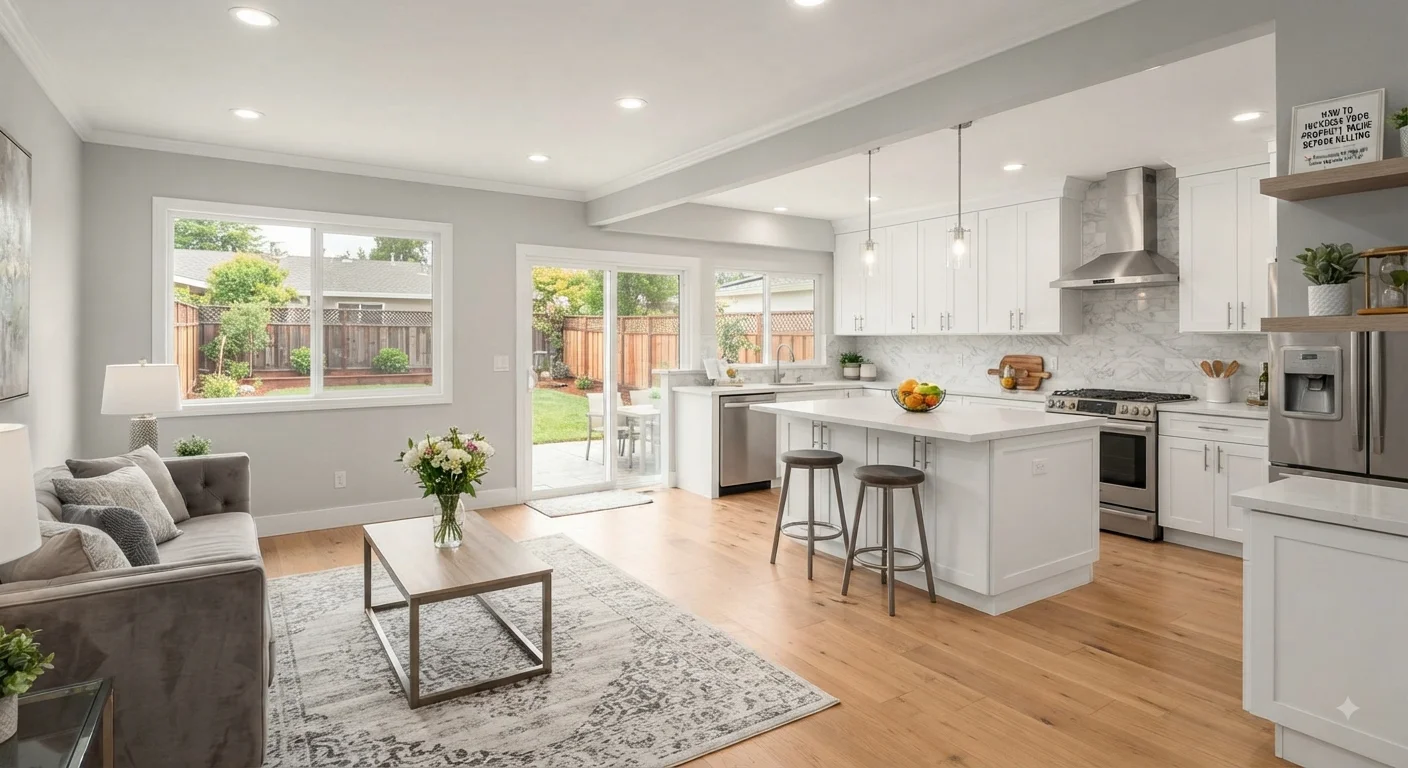
Selling a property is not simply about putting a “For Sale” sign outside and waiting for buyers to make offers. The condition, appearance, functionality, and overall presentation of a home can significantly influence how potential buyers perceive its value. This is why homeowners often look for practical ways to increase property value before listing.
However, not every renovation is financially worthwhile.
A common mistake is assuming that spending more money on a property will automatically make it worth more. In reality, some upgrades can generate an attractive return on investment, while others may add very little to the final selling price. A luxury renovation may look impressive, but if buyers in the local market are not willing to pay for it, the money invested may never be recovered.
The most effective approach is to identify improvements that solve visible problems, improve functionality, modernize outdated spaces, and make the property more attractive to a broad range of buyers.
This guide explains how to increase property value before selling, which renovations are usually worth considering, which upgrades may offer better returns, and how to avoid spending money on improvements that do not meaningfully affect the property’s marketability.
read more about first-time home buyer
Why Property Improvements Matter Before Selling
First impressions influence buyer perception
Buyers often form an opinion about a property very quickly.
The exterior, entrance, cleanliness, lighting, smell, paint, and general condition can influence whether someone becomes more interested or starts looking for reasons to negotiate the price.
A property that looks neglected can create the impression that other problems may exist even when the major systems are actually in good condition.
On the other hand, a clean, well-maintained, visually appealing property can make buyers feel that the home has been cared for.
This does not mean you need to completely remodel your house.
Small improvements can sometimes have a disproportionately positive effect because they eliminate distractions and make the property easier to imagine as someone’s future home.
Buyers compare properties
Most buyers do not evaluate a home in isolation.
They compare it with other properties in the same neighborhood, price range, and market segment.
If competing homes have updated kitchens, modern bathrooms, fresh paint, attractive lighting, and functional outdoor areas, an outdated property may struggle to justify the same asking price.
Understanding this comparison is essential when planning home value improvement.
Your goal is not necessarily to create the most luxurious property in the neighborhood.
Your goal is to make your property competitive.
Start With a Property Value Assessment
Do not renovate before understanding the market
Before spending money, determine what buyers in your area actually value.
A renovation that works extremely well in one neighborhood may have limited impact in another.
For example, adding a luxury outdoor kitchen may be attractive in a high-end suburban market but unnecessary for a smaller urban apartment.
Similarly, converting a bedroom into an expensive entertainment room could actually reduce value if buyers strongly prefer having more bedrooms.
Study comparable properties
Look at recently sold properties rather than relying only on asking prices.
Pay attention to:
- Property size.
- Number of bedrooms.
- Number of bathrooms.
- Condition.
- Kitchen quality.
- Outdoor space.
- Parking.
- Location.
- Building age.
- Renovation level.
This helps you understand what buyers are already paying for.
Talk to a local real estate professional
A knowledgeable local agent can often identify which improvements matter most in the current market.
They may tell you that buyers care strongly about renovated bathrooms, while a large kitchen renovation may not be necessary.
Alternatively, they may identify exterior appearance as a major weakness.
Local knowledge can prevent expensive mistakes.
Calculate the Potential Return on Investment
Not every renovation creates equal value
One of the most important principles when trying to increase property value is understanding return on investment.
Suppose you spend $30,000 on a renovation and the property ultimately sells for only $10,000 more than it otherwise would have.
The renovation may have improved the property, but financially it was not a strong investment.
This is why sellers should think in terms of value created versus money spent.
Prioritize high-impact improvements
Generally, improvements that:
- Solve obvious problems.
- Improve appearance.
- Improve functionality.
- Modernize outdated areas.
- Increase buyer confidence.
- Appeal to a wide audience.
tend to be safer investments than highly personalized luxury upgrades.
Improve Curb Appeal First
The exterior is the buyer’s introduction
Before buyers see the kitchen or bathroom, they see the exterior.
This makes curb appeal one of the easiest areas to improve.
A property with a clean, maintained exterior immediately feels more attractive.
Potential improvements include:
- Cleaning exterior walls.
- Washing windows.
- Repainting the front door.
- Replacing damaged house numbers.
- Improving outdoor lighting.
- Trimming landscaping.
- Removing weeds.
- Cleaning pathways.
- Repairing fences.
- Maintaining the lawn.
- Replacing visibly damaged fixtures.
Keep exterior improvements simple
You do not necessarily need expensive landscaping.
The goal is to create an impression of cleanliness and maintenance.
A tidy entrance can often make a stronger impression than an elaborate landscape that looks difficult to maintain.
Repaint the Front Door
A small upgrade with visual impact
The front door is a focal point.
If it looks faded, scratched, or outdated, repainting or refinishing it can immediately improve the entrance.
Choose a color that complements the architecture and surrounding exterior.
Avoid overly unusual choices unless they are appropriate for the local market.
Replace damaged hardware
A worn door handle, outdated lock, or damaged door knocker can make the entrance feel neglected.
Replacing these components is usually inexpensive compared with larger renovations.
Refresh Interior Paint
Paint can transform the perception of a home
Fresh paint is one of the most practical property upgrades before selling.
Walls accumulate:
- Scratches.
- Marks.
- Dust.
- Fading.
- Stains.
- Signs of everyday use.
Fresh paint can make rooms appear cleaner, brighter, and better maintained.
Choose broadly appealing colors
When selling, avoid designing the home entirely around personal preferences.
Neutral tones are generally easier for buyers to visualize as their own.
Soft whites, warm neutrals, light grays, beige tones, and other understated colors can create a clean background.
Do not ignore ceilings and trim
Walls are not the only surfaces that matter.
Dirty or damaged trim can make a freshly painted room look unfinished.
If necessary, refresh:
- Baseboards.
- Door frames.
- Window trim.
- Interior doors.
These details contribute to the overall impression.
read more about apartment vs house
Upgrade the Kitchen Strategically
Why the kitchen matters
The kitchen is often one of the most closely examined areas of a property.
Buyers may evaluate:
- Cabinets.
- Countertops.
- Appliances.
- Storage.
- Lighting.
- Flooring.
- Layout.
- Fixtures.
- Overall cleanliness.
But this does not mean every seller should completely rebuild the kitchen.
Consider a kitchen refresh before a full renovation
A moderate kitchen update may offer a better balance between cost and value.
Possible improvements include:
- Repainting cabinets.
- Replacing cabinet handles.
- Updating faucets.
- Replacing damaged countertops.
- Improving lighting.
- Installing a modern backsplash.
- Repairing drawers.
- Replacing outdated appliances where necessary.
Cabinet replacement is not always necessary
If cabinets are structurally sound, replacing them may be unnecessary.
A professional repaint or refinishing job can dramatically change their appearance.
New handles can further modernize the design.
This approach can provide significant visual improvement without the cost of a complete kitchen rebuild.
Improve Kitchen Lighting
Lighting changes how a kitchen feels
A dark kitchen can appear smaller and less inviting.
Consider improving:
- Ceiling lighting.
- Under-cabinet lighting.
- Pendant lighting.
- Task lighting.
The objective is to make work areas clear and the room visually comfortable.
Avoid overly complicated lighting designs
You are preparing the property for sale, not designing a private showroom.
Choose practical fixtures that complement the kitchen and appeal to a wide audience.
Update Kitchen Hardware
Small details can make a kitchen feel newer
Replacing old:
- Cabinet handles.
- Drawer pulls.
- Faucets.
- Sink fixtures.
can create a more modern appearance.
Hardware is often inexpensive compared with major renovation work.
However, consistency matters.
Try to maintain a coordinated finish throughout the kitchen.
Evaluate Kitchen Appliances
Buyers notice outdated appliances
If major appliances are extremely old, damaged, or visibly inconsistent, they may negatively affect buyer perception.
You do not necessarily need the most expensive appliances.
Instead, focus on:
- Reliability.
- Appearance.
- Energy efficiency.
- Consistency.
A clean, coordinated appliance set can make a kitchen feel more complete.
Be Careful With Luxury Kitchens
Expensive does not always mean profitable
A luxury kitchen renovation can cost tens of thousands of dollars.
If comparable properties in the neighborhood do not have luxury kitchens, recovering the investment may be difficult.
Before making a major renovation, ask:
Would buyers in this market actually pay significantly more for this feature?
If the answer is uncertain, a moderate upgrade may be safer.
Upgrade the Bathroom
Bathrooms can strongly influence buyer decisions
Bathrooms are another area where visible improvements can make a property feel substantially newer.
Buyers often notice:
- Fixtures.
- Tiles.
- Shower condition.
- Bathtub condition.
- Vanity.
- Mirrors.
- Lighting.
- Storage.
- Ventilation.
- Cleanliness.
Start with obvious defects
Fix:
- Leaking faucets.
- Broken tiles.
- Damaged grout.
- Cracked mirrors.
- Loose fixtures.
- Poor ventilation.
- Water stains.
These issues can make buyers worry about hidden maintenance problems.
Replace Outdated Bathroom Fixtures
Modern fixtures can change the appearance
Replacing an old faucet, showerhead, toilet seat, mirror, or cabinet hardware can make a bathroom feel more current.
You do not necessarily need a full bathroom renovation.
Sometimes several coordinated upgrades can achieve a significant visual improvement.
Refresh Bathroom Grout
Grout affects the perception of cleanliness
Dirty or discolored grout can make an otherwise attractive bathroom look old.
Professional cleaning can sometimes restore it.
If the grout is damaged, replacing it may be worthwhile.
This is a relatively small improvement that can have a noticeable visual effect.
Improve Bathroom Lighting
Brightness matters
A bathroom with poor lighting can feel cramped and outdated.
Consider modern, practical fixtures that provide sufficient illumination around:
- Mirrors.
- Shower areas.
- General room space.
Avoid overly dramatic lighting.
The objective is clarity and comfort.
Improve Flooring Where Necessary
Flooring can influence the overall condition of a property
Damaged, stained, cracked, or visibly outdated flooring can reduce buyer confidence.
Depending on the property, options may include:
- Repairing existing flooring.
- Refinishing hardwood.
- Replacing damaged tiles.
- Installing practical modern flooring.
- Deep cleaning carpets.
Do not replace every floor automatically
If existing flooring is in good condition, replacement may not be necessary.
Sometimes professional cleaning or refinishing can provide enough improvement.
Deep Clean the Property
Cleaning is one of the highest-value pre-sale preparations
Deep cleaning does not always feel like a renovation, but it can have a major effect on how buyers perceive the property.
Clean:
- Windows.
- Floors.
- Walls.
- Kitchens.
- Bathrooms.
- Cabinets.
- Appliances.
- Baseboards.
- Doors.
- Light fixtures.
A clean property feels more maintained.
Eliminate unpleasant odors
Odors can become one of the strongest negative impressions during a viewing.
Potential sources include:
- Cooking.
- Pets.
- Moisture.
- Smoke.
- Mold.
- Drains.
- Garbage.
Do not simply cover odors with air fresheners.
Identify and address the underlying source.
Declutter Every Room
Buyers need to see space
A crowded room can appear smaller.
Remove unnecessary:
- Furniture.
- Decorations.
- Storage boxes.
- Personal collections.
- Excess clothing.
- Unused appliances.
The objective is not to make the home empty.
It is to make the available space easy to understand.
Storage areas matter too
Buyers may inspect:
- Closets.
- Cabinets.
- Pantries.
- Garages.
- Utility rooms.
Organized storage suggests that the property has useful capacity.
Consider Professional Home Staging
Staging helps buyers visualize the property
Home staging involves presenting furniture, decoration, lighting, and layout in a way that highlights the home’s strengths.
Professional staging may be worthwhile for properties where presentation is particularly important.
However, you do not always need a professional.
Simple staging principles include:
- Remove excess furniture.
- Open curtains.
- Use appropriate lighting.
- Keep surfaces clean.
- Create clear walking paths.
- Use neutral decoration.
- Highlight useful spaces.
read more about property inspection checklist
Improve Natural Light
Light can change perceived space
Bright rooms often feel larger and more welcoming.
Before selling:
- Clean windows.
- Remove heavy curtains.
- Repair damaged blinds.
- Use light-colored window treatments.
- Trim exterior vegetation blocking windows.
Natural light can make photography and in-person viewings more attractive.
Upgrade Interior Lighting
Lighting is often overlooked
A property may have good architecture but still feel unattractive because of poor lighting.
Replace visibly outdated or damaged fixtures.
Use lighting strategically in:
- Kitchens.
- Bathrooms.
- Hallways.
- Living rooms.
- Bedrooms.
- Entryways.
Use multiple lighting layers
A well-designed room can combine:
- Ambient lighting.
- Task lighting.
- Accent lighting.
But the design should remain practical.
Improve Energy Efficiency
Buyers increasingly consider operating costs
Energy-efficient upgrades can improve the property’s appeal by reducing ongoing expenses.
Possible improvements include:
- LED lighting.
- Efficient appliances.
- Improved insulation.
- Smart thermostats.
- Energy-efficient windows.
- Better sealing around doors and windows.
- Modern heating or cooling systems.
Focus on upgrades appropriate for the property
Not every energy improvement will produce a strong financial return before sale.
Consider the property’s climate, age, local energy prices, and buyer expectations.
Maintain Heating and Cooling Systems
Mechanical systems influence buyer confidence
A beautiful house with a failing air-conditioning or heating system can create serious concerns.
Before listing, have major systems inspected or serviced where appropriate.
Check:
- Heating system.
- Air conditioning.
- Water heater.
- Ventilation.
- Electrical system.
- Plumbing.
You may not need to replace functioning equipment simply because it is not new.
Maintenance documentation can sometimes help reassure buyers.
Repair Plumbing Problems
Small leaks can create large concerns
A dripping faucet may seem minor, but buyers may wonder whether the property has larger plumbing issues.
Inspect visible plumbing problems.
Address:
- Leaking faucets.
- Running toilets.
- Slow drains.
- Water stains.
- Damaged pipes.
- Poor water pressure.
If there is a significant issue, professional inspection may be appropriate.
Address Electrical Problems
Safety-related issues should never be ignored
Electrical defects can affect both buyer confidence and safety.
Check for obvious problems such as:
- Damaged outlets.
- Loose switches.
- Flickering fixtures.
- Exposed wiring.
- Non-functioning lights.
Major electrical work should be handled by qualified professionals.
Improve the Entrance and Hallway
Small spaces influence the first indoor impression
The entrance should feel:
- Clean.
- Bright.
- Organized.
- Accessible.
Remove unnecessary furniture and clutter.
Use a simple mirror, appropriate lighting, and minimal decoration if needed.
Improve Doors and Hardware
Doors are frequently overlooked
Doors that stick, squeak, have damaged handles, or show heavy wear can make a home feel older.
Check:
- Interior doors.
- Closet doors.
- Cabinet doors.
- Door handles.
- Locks.
- Hinges.
Repair or replace obvious defects.
Improve Outdoor Living Areas
Buyers increasingly value usable outdoor space
Depending on the property, an attractive outdoor area can become an important selling point.
Potential improvements include:
- Cleaning patios.
- Repairing decks.
- Maintaining landscaping.
- Adding simple seating.
- Improving outdoor lighting.
- Cleaning pools.
- Repairing fences.
- Creating a functional entertaining area.
Avoid overbuilding the outdoor space
A simple, attractive patio may be more useful than an expensive outdoor renovation that only appeals to a narrow group of buyers.
Maintain the Garden
Landscaping should look cared for
You do not need an elaborate garden.
Focus on:
- Healthy plants.
- Trimmed trees.
- Clean pathways.
- Weed control.
- Healthy grass where applicable.
- Clean outdoor surfaces.
The goal is visual order.
Repair the Roof and Exterior
Structural maintenance comes before cosmetic upgrades
Before spending money on decorative improvements, identify serious maintenance problems.
Potential concerns include:
- Roof damage.
- Water intrusion.
- Cracked exterior surfaces.
- Damaged siding.
- Poor drainage.
- Foundation issues.
These problems can significantly affect buyer confidence.
Do not hide structural problems
Covering a problem temporarily may create greater complications during inspections and negotiations.
If a major defect exists, understand the issue and obtain appropriate professional advice.
Improve Windows
Windows influence comfort and appearance
Damaged or visibly old windows can make a property feel less maintained.
Depending on the condition, improvements may include:
- Professional cleaning.
- Repairing damaged frames.
- Replacing broken glass.
- Improving seals.
- Replacing severely outdated windows.
Full window replacement can be expensive, so calculate the likely return before proceeding.
Consider Smart Home Features
Technology can add convenience
Some buyers appreciate practical smart-home features such as:
- Smart thermostats.
- Smart lighting.
- Video doorbells.
- Smart locks.
- Security systems.
- Automated blinds.
However, technology should be easy to understand and useful.
Avoid unnecessary gadgets
Adding expensive technology that buyers do not want may not increase value enough to justify the cost.
The best smart-home improvements generally solve practical problems.
Improve Home Security
Security can influence buyer confidence
Depending on the location and property type, security improvements may be attractive.
Consider:
- Good exterior lighting.
- Strong locks.
- Security cameras.
- Video doorbells.
- Alarm systems.
- Secure gates.
Avoid making the property look like a fortress.
The goal is to create a sense of safety without damaging its appearance.
Upgrade the Garage and Storage Areas
Functional storage can be valuable
A garage or storage area that is dirty and cluttered may appear smaller than it really is.
Clean the space and organize it.
Repair:
- Garage doors.
- Lighting.
- Shelving.
- Flooring where necessary.
Buyers often appreciate seeing how storage can actually be used.
Convert Unused Space Carefully
Extra functional space can increase appeal
An unused room, basement, attic, or enclosed area may offer an opportunity for improvement.
Potential uses include:
- Home office.
- Guest room.
- Study.
- Exercise area.
- Storage.
- Entertainment space.
But do not automatically convert a bedroom into another type of room.
Bedrooms often have broad market appeal.
Legal requirements matter
If you convert a space into a bedroom or other formally recognized living area, local regulations, permits, ventilation, windows, electrical requirements, and safety standards may apply.
Always verify requirements before major structural work.
read more about best neighborhood to live
Create a Functional Home Office
Workspaces have become more important
Many buyers appreciate having a dedicated area for remote work.
You do not necessarily need a complete renovation.
A clean desk, comfortable lighting, storage, and reliable electrical outlets can demonstrate how a space can function as an office.
Upgrade the Primary Bedroom
Bedrooms should feel calm and spacious
Before selling:
- Remove unnecessary furniture.
- Use neutral bedding.
- Improve lighting.
- Repair damaged walls.
- Organize closets.
- Clean windows.
- Reduce excessive decoration.
The goal is to help buyers imagine the room as their own.
Improve Closet Organization
Storage is part of perceived value
Closets should not be stuffed.
Remove unnecessary items and organize remaining belongings.
Use simple storage solutions if appropriate.
A well-organized closet can make the available space appear more functional.
Think About the Buyer, Not Yourself
Personal taste can become expensive
One of the biggest mistakes homeowners make before selling is renovating according to their personal preferences.
For example, you may love:
- Brightly colored walls.
- Highly decorative tiles.
- Unusual fixtures.
- Personalized built-ins.
- Extremely bold kitchen designs.
But buyers may not share those preferences.
Aim for broad appeal
The best pre-sale improvements usually create a clean, functional, attractive environment that allows buyers to imagine their own furniture and lifestyle.
This is one of the most important principles behind successful home value improvement.
Renovations That May Not Provide a Strong ROI
Extremely personalized designs
A custom room designed around one hobby may not appeal to many buyers.
Luxury materials
Premium stone, imported fixtures, and highly expensive finishes can be difficult to recover financially.
Overbuilding for the neighborhood
If your property becomes dramatically more expensive than comparable homes nearby, the renovation may not translate into equivalent market value.
Excessive smart-home technology
Technology can become outdated quickly.
Only install features with clear practical benefits.
The Difference Between Adding Value and Preventing Value Loss
Maintenance is not always an investment in the traditional sense
Some improvements may not increase the selling price significantly, but they can prevent buyers from demanding discounts.
For example:
- Fixing a leaking roof.
- Repairing broken plumbing.
- Removing mold.
- Repairing damaged flooring.
- Fixing electrical issues.
These projects may not make the property worth dramatically more.
But failing to address them can make the property worth less.
Think of maintenance as protecting your asking price
A property in good repair gives buyers fewer reasons to negotiate aggressively.
The Importance of Documentation
Keep records of major improvements
If you have completed significant work, keep:
- Receipts.
- Warranties.
- Permits.
- Inspection reports.
- Service records.
- Contractor information.
Documentation can provide evidence that major systems and renovations have been properly maintained.
Organize documents before listing
Do not wait until a buyer asks for information.
Having everything organized makes the selling process more efficient.
How to Create a Pre-Sale Improvement Budget
Divide improvements into categories
A practical system is to create three categories:
Category one: Essential repairs
These are problems that could affect safety, inspections, or buyer confidence.
Category two: High-impact improvements
These improve appearance, functionality, or marketability.
Category three: Optional upgrades
These are improvements that may be attractive but are not necessary.
Always prioritize category one first.
A Simple Pre-Sale Renovation Strategy
Step one: Inspect
Walk through the property room by room.
Look for visible defects.
Step two: Research
Study comparable properties and current buyer expectations.
Step three: Prioritize
Rank improvements according to:
- Cost.
- Impact.
- Buyer appeal.
- Urgency.
- Expected ROI.
Step four: Set a budget
Decide how much you are realistically willing to invest.
Step five: Complete repairs
Address structural and maintenance issues first.
Step six: Refresh visible spaces
Paint, clean, improve lighting, and update selected fixtures.
Step seven: Stage
Make every room easy to understand.
Step eight: Photograph
Good presentation should continue into the listing photos.
How to Increase Property Value Without Overspending
Focus on perception
You do not always need a major renovation.
A combination of:
- Deep cleaning.
- Decluttering.
- Fresh paint.
- Updated lighting.
- Modern hardware.
- Landscaping.
- Minor repairs.
can transform the perceived condition of a property.
Fix what buyers can see
If your budget is limited, prioritize improvements that buyers are likely to notice during viewings.
This may include the entrance, kitchen, bathrooms, living room, exterior, and major visible defects.
The Best Renovations Before Selling
Kitchen refresh
A moderate kitchen update can improve appearance and functionality without requiring a complete rebuild.
Bathroom update
Modern fixtures, clean surfaces, better lighting, and repaired defects can make a strong impression.
Fresh paint
One of the simplest ways to create a clean, updated appearance.
Flooring repair
Repair or refinish damaged surfaces where necessary.
Exterior improvements
Curb appeal can influence the first impression.
Lighting
Good lighting makes rooms feel more attractive and functional.
Landscaping
A clean, maintained exterior improves presentation.
Essential maintenance
Fix problems that could cause inspections or negotiations to become difficult.
The Most Important ROI Question
Before approving any renovation, ask:
How much value is this improvement likely to create compared with its total cost?
Then ask a second question:
Would the typical buyer in my market actually pay for it?
These two questions can prevent many expensive mistakes.
read more about new home checklist
The best strategy to increase property value is rarely about making the most expensive renovation possible.
Instead, it is about making smart improvements that align the property with buyer expectations.
A clean, well-maintained, modern-looking home can often compete more effectively than a heavily renovated property filled with expensive features that do not match the local market.
Focus first on structural and maintenance issues.
Then improve the most visible spaces.
Refresh the kitchen and bathrooms when necessary.
Improve lighting.
Repair flooring.
Refresh paint.
Strengthen curb appeal.
Organize storage.
Make outdoor areas functional.
And remove unnecessary clutter.
Most importantly, remember that the objective is not to create your dream home.
You are preparing a property for someone else’s decision.
The strongest property upgrades are therefore the ones that combine reasonable cost with broad buyer appeal, improved functionality, better presentation, and reduced concerns.
When planned carefully, these improvements can help your home stand out, support a stronger asking price, reduce negotiation pressure, and potentially produce a better return on the money you invest before selling.