Buying a house or other property is one of the biggest financial decisions most people make. It can represent a place to live, a long-term investment, a source of rental income, or a combination of these goals. Because the commitment can last for years or even decades, buyers should not rely only on photographs, advertisements, attractive showrooms, or verbal promises.
Knowing the right questions to ask before buying a house can help you understand what you are actually purchasing.
A property may look perfect during a short viewing but have hidden maintenance problems, unexpected fees, restrictive rules, financing complications, construction delays, legal concerns, or location-related disadvantages. Some issues may be relatively easy to resolve, while others can significantly affect the property’s value and your ability to use or sell it.
This is why a careful buyer should ask questions at every stage of the process.
You may need to ask different questions to the developer, seller, real estate agent, lawyer, mortgage provider, property manager, and even current residents. No single person necessarily has every answer.
The purpose of asking detailed questions is not to make the purchase unnecessarily complicated. It is to replace assumptions with facts before signing a contract or transferring a significant amount of money.
read more about ready property vs off plan
Questions to Ask Yourself Before Starting Your Property Search
What Is the Main Purpose of Buying the Property?
Before asking sellers or agents questions, establish your own objectives.
Ask yourself:
- Am I buying the property as my primary residence?
- Am I buying it as an investment?
- Do I plan to rent it out?
- Could my needs change within the next few years?
- How long do I realistically expect to own the property?
- Do I need the property to generate rental income?
- Am I planning to resell it in the future?
- What features are essential rather than simply desirable?
- How much space do I actually need?
- Which locations would work with my lifestyle and daily routine?
These questions create a framework for evaluating properties objectively.
A property that is excellent for an investor may not be appropriate for a family, and a beautiful home may be a poor choice if its location creates an impossible daily commute.
What Is My Real Budget?
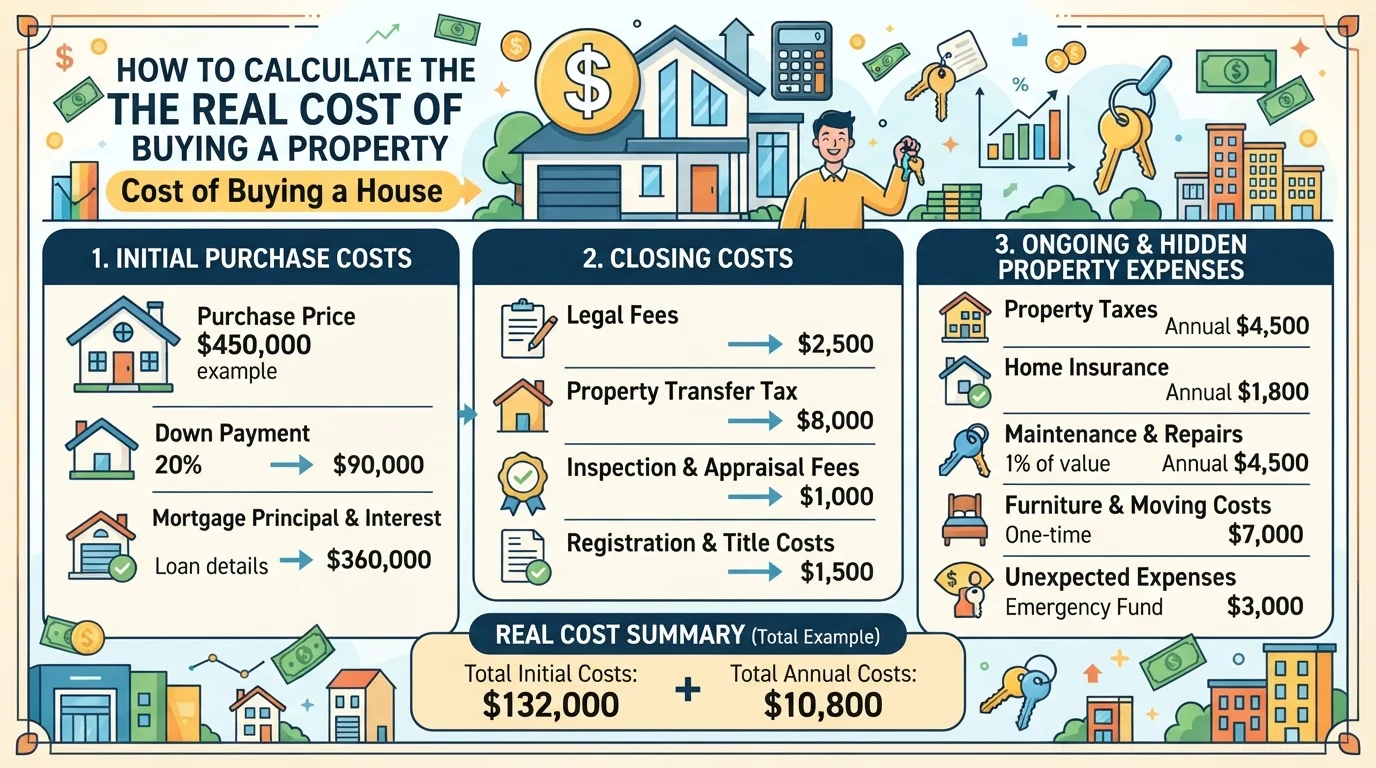
The purchase price is only one component of the total cost.
Ask yourself:
- How much can I comfortably pay upfront?
- How much can I afford to pay every month?
- Have I calculated taxes, registration costs, legal fees, and other transaction expenses?
- Can I afford maintenance and service charges?
- Do I have an emergency fund after making the purchase?
- What happens if my income changes?
- Can I afford the property without relying on an unrealistic future income increase?
- Have I compared financing options?
- Have I calculated the total amount I will pay over the entire financing period?
- Am I leaving enough financial flexibility for other goals?
A responsible home purchase should fit your overall financial situation rather than simply fitting the maximum amount a lender or developer says you can borrow.
Questions to Ask the Seller
Understanding Why the Property Is Being Sold
The seller’s motivation can provide useful context.
Ask:
- Why are you selling the property?
- How long have you owned it?
- How long has it been on the market?
- Has the asking price changed?
- Have there been previous offers?
- Why did previous potential buyers decide not to proceed?
- How quickly do you need to complete the sale?
- Are you purchasing another property?
- Is there anything about the property that you think a buyer should know?
- Have you experienced any significant problems while living here?
The answers do not automatically indicate that a property is good or bad. However, they may reveal information that deserves further investigation.
Asking About the Property’s History
A property’s past can affect its current condition and future value.
Ask:
- When was the property originally built?
- Who has owned it previously?
- Has the property been renovated?
- When were the major renovations completed?
- Who carried out the renovation work?
- Are permits or approvals available for major alterations?
- Has the property ever experienced water damage?
- Has it ever had electrical problems?
- Has it ever had plumbing problems?
- Has it experienced structural issues?
- Has the property ever suffered damage from fire, flooding, storms, or other events?
- Have there been recurring maintenance problems?
- Are there warranties for recent work or installed equipment?
- Are there outstanding repair issues?
These questions can help distinguish ordinary aging from potentially serious defects.
Questions to Ask About the Property’s Condition
Structural Condition
A property’s appearance does not necessarily reveal its structural condition.
Ask:
- Has the building undergone a professional structural inspection?
- Are there known cracks in walls, ceilings, foundations, or other structural elements?
- Have any structural repairs been performed?
- When was the roof last inspected or repaired?
- Is there a history of roof leaks?
- Are there signs of dampness or water intrusion?
- Has the property experienced foundation movement?
- Are there any areas that require immediate repair?
- What major repairs are expected within the next few years?
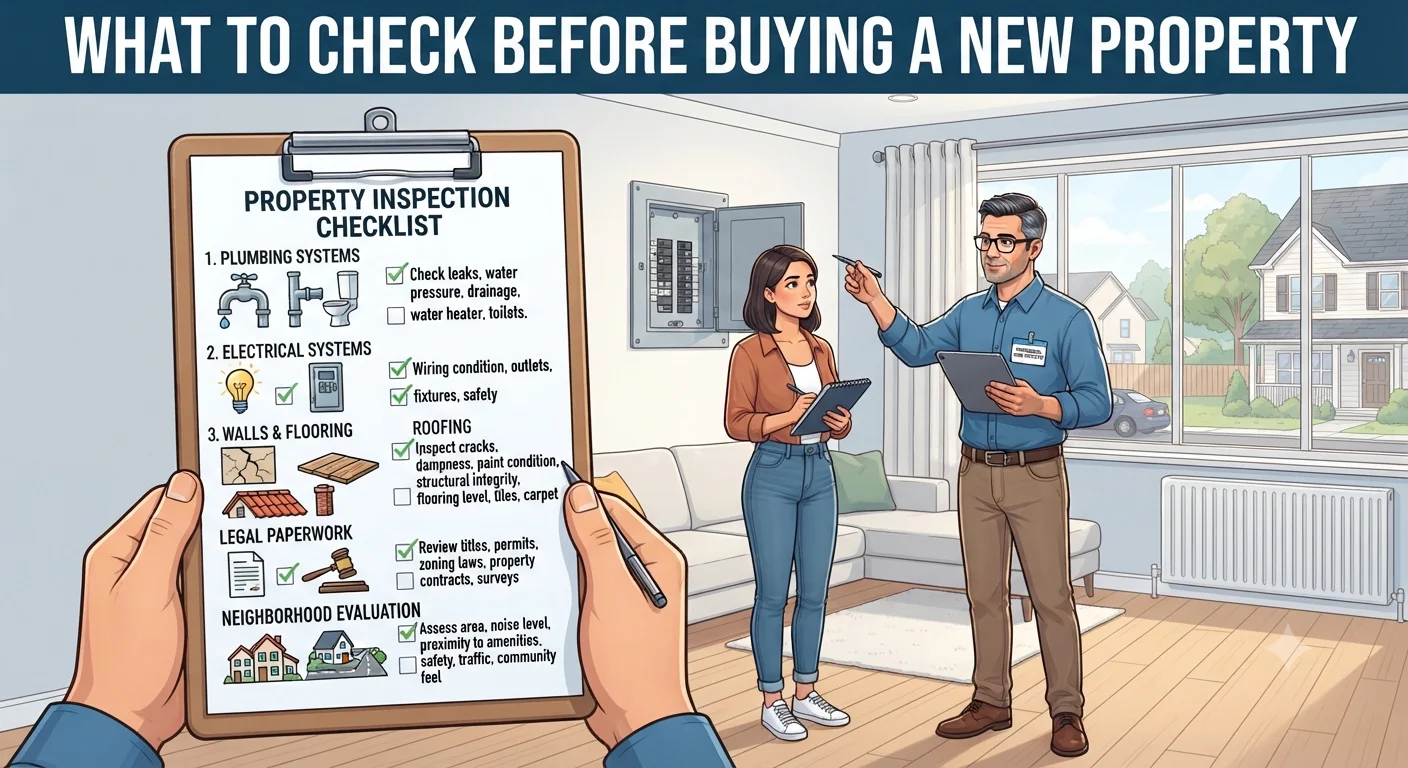
A qualified independent inspector can provide information that a seller or agent may not be able to provide.
Plumbing and Water Systems
Plumbing problems can become expensive quickly.
Ask:
- How old is the plumbing system?
- Have there been previous leaks?
- Is water pressure consistent?
- Is hot water supplied reliably?
- What type of water-heating system is installed?
- When was the water heater last serviced?
- Are there any known drainage problems?
- Have pipes ever been replaced?
- Are there water tanks, pumps, or filtration systems that require maintenance?
If possible, test taps, showers, toilets, and visible plumbing during the inspection.
Electrical Systems
Electrical systems deserve particular attention because problems may be expensive or hazardous.
Ask:
- How old is the electrical system?
- Has the electrical wiring been upgraded?
- Does the property have sufficient electrical capacity?
- Are there enough outlets for normal use?
- Have there been repeated electrical failures?
- Is there a backup power system?
- Who is responsible for maintaining shared electrical equipment?
- Has the electrical system been professionally inspected?
Do not attempt technical electrical testing yourself if it requires specialized knowledge. An appropriately qualified professional should handle detailed inspections.
read more about smart home features
Questions to Ask the Real Estate Agent
Questions About the Listing
Real estate agents can provide valuable information, but buyers should distinguish between marketing statements and verified facts.
Ask:
- How was the asking price determined?
- What comparable properties were used to establish the price?
- How long has the property been listed?
- Has the price been reduced?
- Are there competing properties in the same area?
- What are the strongest advantages of this property?
- What are its biggest disadvantages?
- Are there any known issues that could affect the property’s value?
- Are there any conditions attached to the sale?
- Are there documents available for review before making an offer?
Do not hesitate to request written evidence for important claims.
Questions About the Neighborhood
The property itself is only one part of the purchase.
Ask:
- What is the area’s current development plan?
- Are new buildings planned nearby?
- Are there major construction projects expected?
- How is traffic during peak hours?
- Are there schools, hospitals, supermarkets, and other essential services nearby?
- How accessible is public transportation?
- Are there parking problems?
- What are the typical noise levels?
- Are there commercial or industrial activities nearby?
- Are there planned infrastructure changes that could affect the area?
- Are there environmental concerns associated with the location?
- How does the area typically perform in terms of property demand?
It is also useful to visit the neighborhood at different times of day and on different days of the week.
Questions to Ask a Property Developer
Questions About New Developments
Buying directly from a developer requires a different set of questions.
Ask:
- What exactly is included in the purchase price?
- What is the expected completion date?
- Is the completion date guaranteed or estimated?
- What happens if construction is delayed?
- What are the consequences if the developer misses the agreed completion date?
- What construction standards and materials are being used?
- Who are the contractors responsible for construction?
- What previous projects has the developer completed?
- Can buyers visit completed projects developed by the same company?
- What warranties are provided?
- How are defects reported and repaired after handover?
- Who will manage the property after completion?
- What amenities are included?
- Which amenities require additional fees?
- Will all advertised facilities definitely be delivered?
- Can the developer change the layout, specifications, or amenities?
- What happens if the final property differs from the marketing materials?
- What are the developer’s obligations regarding common areas?
Written documentation is particularly important when buying an off-plan or newly constructed property.
Questions About Finishing and Specifications
A model apartment or showroom may not represent the exact specifications of the unit you will receive.
Ask:
- What flooring materials will be installed?
- What type of windows will be used?
- What doors, fixtures, and sanitary fittings are included?
- Which appliances are included, if any?
- Are air-conditioning systems included?
- Are kitchen cabinets included?
- Are lighting fixtures included?
- Are the advertised finishes standard or optional upgrades?
- How much would upgrades cost?
- Can buyers choose alternative finishes?
- What happens if a selected material becomes unavailable?
- Will the final unit match the approved plans?
Never assume that everything displayed in a showroom is included in the basic purchase price.
Questions About Legal Ownership
Confirming Who Owns the Property
Legal ownership should be verified before committing to a purchase.
Ask:
- Who is the registered owner of the property?
- Does the seller have the legal authority to sell it?
- Are there multiple owners?
- Do all required owners need to sign the transaction?
- Are there mortgages, liens, claims, or restrictions attached to the property?
- Are there outstanding legal disputes involving the property?
- Are property taxes or other government charges outstanding?
- Are there unpaid service charges?
- Are there restrictions on transferring ownership?
- Is the property properly registered?
- Are the boundaries and dimensions accurately documented?
- Do the legal documents match the physical property?
These are questions that should be reviewed with an appropriately qualified property lawyer or legal professional in the relevant jurisdiction.
Questions About the Purchase Contract
Read Before You Sign
A purchase contract can contain important obligations that are easy to overlook.
Ask:
- What exactly am I agreeing to?
- What are the payment deadlines?
- What happens if I miss a payment?
- What happens if the seller or developer fails to meet an obligation?
- What are the cancellation conditions?
- Is the deposit refundable?
- Under what circumstances can the contract be terminated?
- Are there penalties for cancellation?
- Are there conditions that must be satisfied before completion?
- What happens if financing is not approved?
- What happens if the property is not delivered on time?
- Who pays the transaction costs?
- Who pays outstanding taxes or service charges?
- What happens if defects are discovered after signing?
- Is there a formal dispute-resolution process?
- Are there clauses allowing the seller or developer to change specifications?
Do not sign a contract simply because someone tells you that the terms are standard. A contract can be standard for the industry and still contain obligations that are unsuitable for your situation.
Questions About Financing
Understanding the Mortgage or Payment Plan
Financing can significantly change the total cost of a property.
Ask:
- What is the total amount I will repay?
- What interest rate or financing cost applies?
- Is the rate fixed or variable?
- Can the rate change later?
- Are there arrangement or processing fees?
- Are there early repayment penalties?
- What happens if I want to refinance?
- What happens if I make an additional payment?
- Is there a required down payment?
- What other upfront costs should I budget for?
- Are insurance costs included?
- Are there administrative fees?
- What happens if my financial circumstances change?
The monthly payment should never be the only number you consider.
A property buyer should understand the total financial commitment and the conditions attached to it.
Questions About Property Taxes and Ongoing Costs
The Purchase Price Is Not the Full Cost
Many first-time buyers focus heavily on the purchase price and underestimate recurring expenses.
Ask:
- What property taxes apply?
- How much are annual maintenance costs?
- Are there homeowners’ association or community fees?
- Are service charges fixed or variable?
- How frequently have service charges increased?
- Are there planned major maintenance projects?
- Who pays for repairs to shared facilities?
- Are there additional fees for parking?
- Are there fees for amenities?
- Are utilities billed separately?
- Are there minimum monthly charges?
- Are there reserve funds for major repairs?
These costs should be included in your long-term affordability calculation.
Questions About the Building and Community
Understanding Shared Facilities
If you are buying an apartment, condominium, townhouse, or property in a managed community, shared facilities can affect both lifestyle and expenses.
Ask:
- Who manages the building?
- How is the management company selected?
- What services are included in the service charge?
- How are maintenance decisions made?
- Are there rules governing renovations?
- Are pets permitted?
- Are there restrictions on renting the property?
- Are short-term rentals permitted?
- Are there restrictions on guests?
- Are there rules concerning parking?
- Are there designated visitor parking spaces?
- Are there restrictions on noise?
- How are disputes between residents handled?
- Are there security services?
- How is access to the building controlled?
Understanding community rules is particularly important if you expect to make changes to the property or rent it out later.
read more about cost of buying a house
Questions About Location and Accessibility
Evaluating Daily Life
A property can be excellent but still be inconvenient if the location does not fit your lifestyle.
Ask:
- How long will my normal commute take?
- What is the traffic like during working hours?
- How close are schools?
- How close are medical facilities?
- How close are grocery stores and pharmacies?
- Is public transportation convenient?
- Are roads accessible during bad weather?
- Are there sidewalks or safe walking routes?
- Is parking readily available?
- What services are expected to be developed nearby?
Visit the area rather than relying entirely on online maps or an agent’s description.
Questions About Safety and Security
Assessing the Environment
Security should be considered from both the property and neighborhood perspectives.
Ask:
- What security systems are installed?
- Is there controlled building access?
- Are common areas monitored?
- Is there a security team?
- How are visitors admitted?
- Is parking secured?
- Are there emergency exits?
- Are smoke detectors installed?
- Are fire extinguishers available?
- Is there an emergency evacuation plan?
- Are there backup systems for critical building services?
A professional inspection can provide additional information about safety-related infrastructure.
Questions About Resale Value
Thinking Beyond the Purchase
Even if you intend to live in the property for many years, circumstances can change.
Ask:
- What types of properties are most in demand in this area?
- How long do similar properties typically remain on the market?
- What factors could increase or decrease future demand?
- Are there major developments planned nearby?
- Is the area attracting new businesses and infrastructure?
- Are there restrictions that could make future resale difficult?
- Is the property’s layout appealing to a broad range of buyers?
- Is parking included?
- Is the property easy to access?
- Are there factors that could negatively affect future value?
No one can guarantee future property prices, but understanding the market can help you make a more informed decision.
Questions for an Independent Property Inspector
Why an Independent Inspection Matters
An independent inspection can identify issues that may not be obvious during a normal viewing.
Ask the inspector:
- What are the most significant defects?
- Which problems require immediate attention?
- Which issues are likely to become expensive later?
- Are there signs of structural movement?
- Are there signs of moisture or water intrusion?
- Are the roof and drainage systems in good condition?
- Is the electrical system in satisfactory condition?
- Is the plumbing system in satisfactory condition?
- Are windows and doors functioning properly?
- Are there signs of pests?
- Are insulation and ventilation adequate?
- What maintenance should be expected over the next several years?
- Which repairs should be completed before purchase?
A detailed inspection report can provide valuable negotiating information as well as help you understand future maintenance responsibilities.
Questions About Utilities and Infrastructure
Understanding Essential Services
Utilities can vary significantly between properties and locations.
Ask:
- Is reliable electricity available?
- Is water supplied consistently?
- Is sewage connected to the appropriate system?
- Is natural gas available?
- What internet services are available?
- What mobile network coverage is available?
- Is there backup electricity?
- Who maintains shared utility infrastructure?
- Are there additional utility connection fees?
- Are utility bills unusually high?
- Are there known infrastructure problems in the area?
For remote or newly developed communities, these questions can be especially important.
Questions About Renovations and Modifications
Knowing What You Can Change
Buyers often assume they can renovate freely after purchasing.
That may not be the case.
Ask:
- Can I remove or change internal walls?
- Can I change flooring?
- Can I install air-conditioning units?
- Can I install solar equipment?
- Can I modify balconies or exterior areas?
- Do renovations require management approval?
- Do renovations require government permits?
- Are there restrictions on exterior paint or windows?
- Are there designated renovation hours?
- Who is responsible for approving contractors?
Understanding these restrictions before purchasing can prevent disappointment later.
Questions About Rental Potential
If You May Rent the Property
If investment or future rental income is part of your plan, investigate this carefully.
Ask:
- Are rentals permitted?
- Are there minimum rental periods?
- Are short-term rentals allowed?
- What are typical rental prices for similar properties?
- What is the approximate demand for rental properties in this area?
- Are there seasonal changes in demand?
- What expenses would reduce rental income?
- Are there management fees?
- Does the community impose restrictions on tenants?
- Are there legal requirements for landlords?
Do not calculate investment returns using rental income alone. Include maintenance, vacancy periods, taxes, management expenses, financing costs, and other relevant expenses.
Questions to Ask Before Making an Offer
Confirm the Important Facts
Before making an offer, review the information you have collected.
Ask:
- Have I independently verified the property’s size?
- Have I reviewed the legal documents?
- Have I inspected the property carefully?
- Have I investigated the neighborhood?
- Have I calculated the full purchase cost?
- Have I budgeted for immediate repairs?
- Have I understood the financing terms?
- Have I checked the service charges?
- Have I confirmed what is included in the purchase?
- Have I identified any major risks?
- Have I compared the property with similar options?
- Am I making this decision based on facts rather than pressure?
These questions can prevent buyers from making impulsive decisions simply because they have become emotionally attached to a property.
Questions to Ask Before Signing the Final Contract
Perform One Last Review
The final contract stage is not the time to stop asking questions.
Ask:
- Has anything changed since the original offer?
- Are all agreed repairs completed?
- Does the final contract match the original agreement?
- Are the payment amounts correct?
- Are the dates correct?
- Are all included fixtures and appliances listed?
- Are parking spaces clearly identified?
- Are storage areas included and documented?
- Are warranties clearly stated?
- Are handover conditions clearly defined?
- Are penalties and cancellation terms understood?
- Have all outstanding questions been answered in writing?
- Has an independent legal professional reviewed the contract where appropriate?
Do not allow urgency to replace due diligence.
A seller or developer may genuinely want to complete the transaction quickly, but a buyer should still have enough time to understand what they are signing.
read more about property investment guide
Red Flags Buyers Should Investigate
Be Careful When Answers Are Vague
One of the most useful property buyer questions is simply:
“Can you provide that information in writing?”
If an important promise cannot be documented, investigate further.
Be cautious when you encounter:
- Pressure to sign immediately
- Unclear ownership documents
- Inconsistent property measurements
- Unexplained additional fees
- Promises that are not included in the contract
- Refusal to allow independent inspection
- Repeated delays in providing documents
- Unusually low prices without a clear explanation
- Major differences between marketing materials and contract specifications
- Pressure to transfer money before appropriate documentation is reviewed
None of these signs automatically proves that a transaction is unsafe, but each deserves further investigation.
How to Organize Your Home Purchase Checklist
Create a Question List
A home purchase checklist can prevent important questions from being forgotten.
Divide your checklist into categories:
- Property condition
- Legal ownership
- Financing
- Taxes and fees
- Developer information
- Seller information
- Agent information
- Building management
- Location
- Utilities
- Resale potential
- Rental potential
- Contract terms
- Inspection results
- Handover requirements
This organization makes it easier to compare multiple properties.
Record the Answers
Do not depend on memory.
Write down answers and keep copies of relevant documents.
If an agent or developer tells you something important verbally, ask whether it can be included in the contract or confirmed in writing.
This creates a clearer record and reduces misunderstandings.
Comparing Multiple Properties
Ask the Same Core Questions
When evaluating several homes, use a consistent set of questions.
For example, ask each seller about:
- Purchase price
- Property age
- Maintenance costs
- Legal status
- Renovation history
- Service charges
- Utilities
- Parking
- Neighborhood development
- Resale potential
This makes comparisons more objective.
A property may initially appear more expensive but become more attractive once you discover that another property has higher maintenance costs or requires significant repairs.
How to Balance Emotional and Financial Decisions
Do Not Confuse Attraction With Value
Buying a home is an emotional decision as well as a financial one.
You may fall in love with a kitchen, view, garden, floor plan, or neighborhood.
That is perfectly normal.
However, emotional appeal should not replace due diligence.
A beautiful property can still have serious legal or financial problems.
The best decision is one that combines emotional satisfaction with practical evidence.
Give Yourself Time
If possible, avoid making major decisions while feeling pressured or excited.
Visit the property again.
Ask additional questions.
Compare alternatives.
Review the numbers.
Read the contract carefully.
Seek professional advice where appropriate.
Time spent investigating a purchase is usually far less costly than discovering a major problem after completion.
Final Home Purchase Checklist
Before Paying a Deposit
Before paying a significant deposit, confirm:
- The seller or developer has the legal right to sell.
- The property description is accurate.
- The price and payment schedule are clear.
- Additional costs have been identified.
- Financing has been considered.
- The property’s condition has been investigated.
- Major defects have been identified.
- Service charges are understood.
- Community rules have been reviewed.
- Important promises are documented.
- Cancellation conditions are understood.
Before Signing the Contract
Make sure:
- You understand every major obligation.
- All payment dates are clear.
- All included items are documented.
- Handover requirements are clear.
- Penalties are understood.
- Warranty provisions are understood.
- Legal ownership has been checked.
- Outstanding liabilities have been investigated.
- Independent professional advice has been obtained when appropriate.
Before Taking Possession
Check:
- The property matches the agreed specifications.
- Repairs have been completed.
- Fixtures and appliances are present.
- Keys and access devices are provided.
- Utility arrangements are clear.
- Parking and storage areas match the agreement.
- Handover documents are complete.
- Defects are recorded.
Frequently Asked Questions About Buying a Property
What Are the Most Important Questions to Ask Before Buying a House?
The most important questions concern the property’s legal ownership, physical condition, total cost, financing, location, ongoing fees, and contract terms.
You should also ask why the property is being sold, whether there are known defects, what is included in the purchase price, and whether there are restrictions affecting future use or resale.
What Questions Should I Ask a Property Developer?
Ask about completion dates, construction specifications, warranties, payment schedules, delay penalties, service charges, amenities, management arrangements, defect policies, and exactly what is included in the purchase price.
If the property is still under construction, ask what happens if the finished property differs from the approved plans or advertised specifications.
What Questions Should I Ask a Seller?
Ask why they are selling, how long they have owned the property, whether there have been previous offers, what repairs have been performed, whether the property has experienced water or structural problems, and whether there are outstanding fees or legal issues.
What Questions Should I Ask a Real Estate Agent?
Ask how the asking price was determined, how long the property has been listed, whether the price has changed, what comparable properties exist, what disadvantages the property has, and whether there are planned developments nearby.
Should I Get a Property Inspection?
An independent inspection can be extremely valuable because visual inspections do not always reveal structural, electrical, plumbing, moisture, or maintenance problems.
The need for a particular type of inspection depends on the property and local circumstances.
Should I Hire a Property Lawyer?
Property laws vary by jurisdiction, and contracts can contain significant obligations.
An appropriately qualified legal professional can help verify ownership, review contracts, identify restrictions, and explain legal risks before you commit.
What Is the Biggest Mistake First-Time Buyers Make?
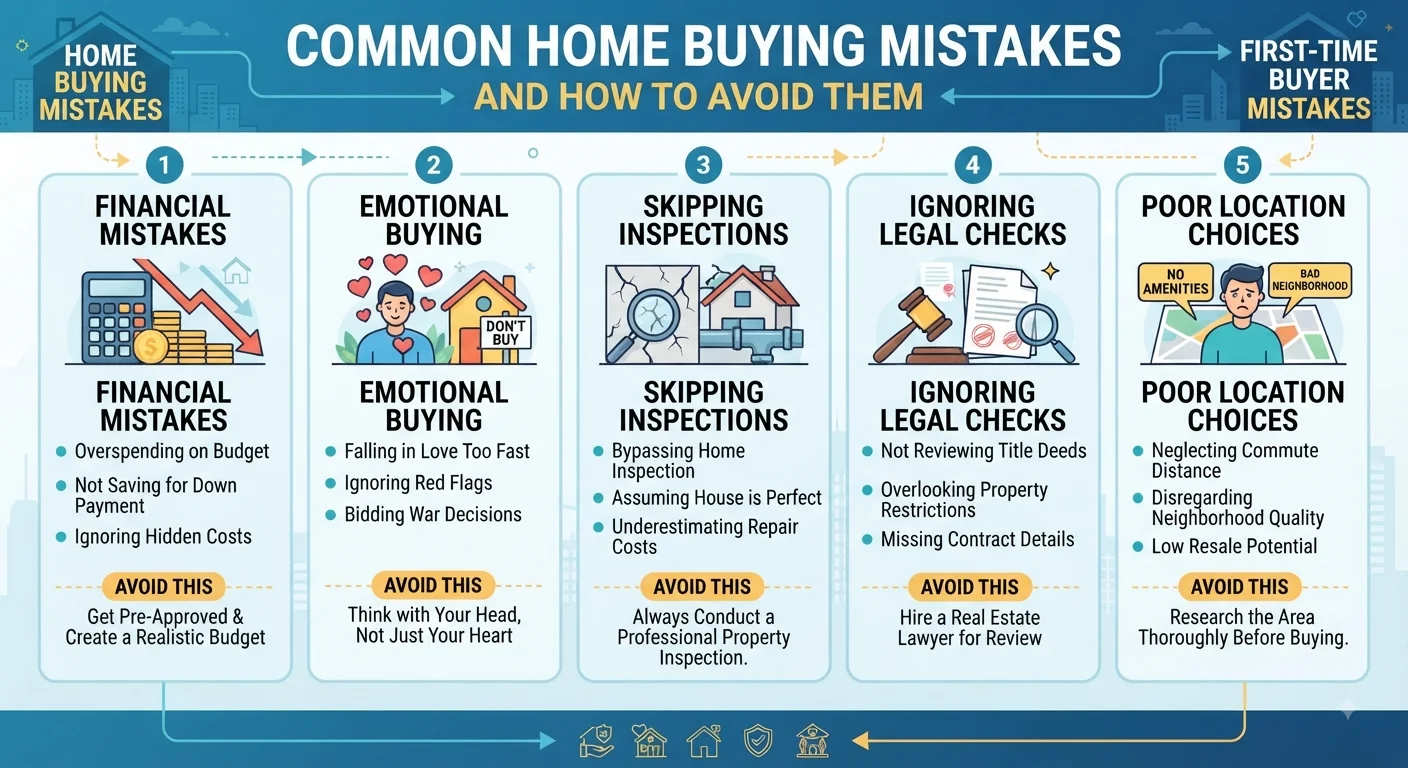
One common mistake is focusing almost entirely on the purchase price while overlooking the total cost of ownership.
Maintenance, taxes, service charges, financing costs, insurance, repairs, and other expenses can significantly change the financial picture.
Should I Ask Questions Even If the Property Looks Perfect?
Absolutely.
A property can look excellent while still having legal, financial, structural, or neighborhood-related issues.
read more about home layout ideas
The Right Questions Protect Your Decision
Buying a property should never be based solely on a beautiful presentation or an attractive price.
The questions to ask before buying a house should cover every important aspect of the transaction, from the property’s physical condition and legal ownership to financing, maintenance, neighborhood conditions, community rules, future resale, and contract obligations.
A buyer who asks detailed questions is better positioned to identify hidden costs, understand potential risks, negotiate intelligently, and make a decision based on evidence rather than assumptions.
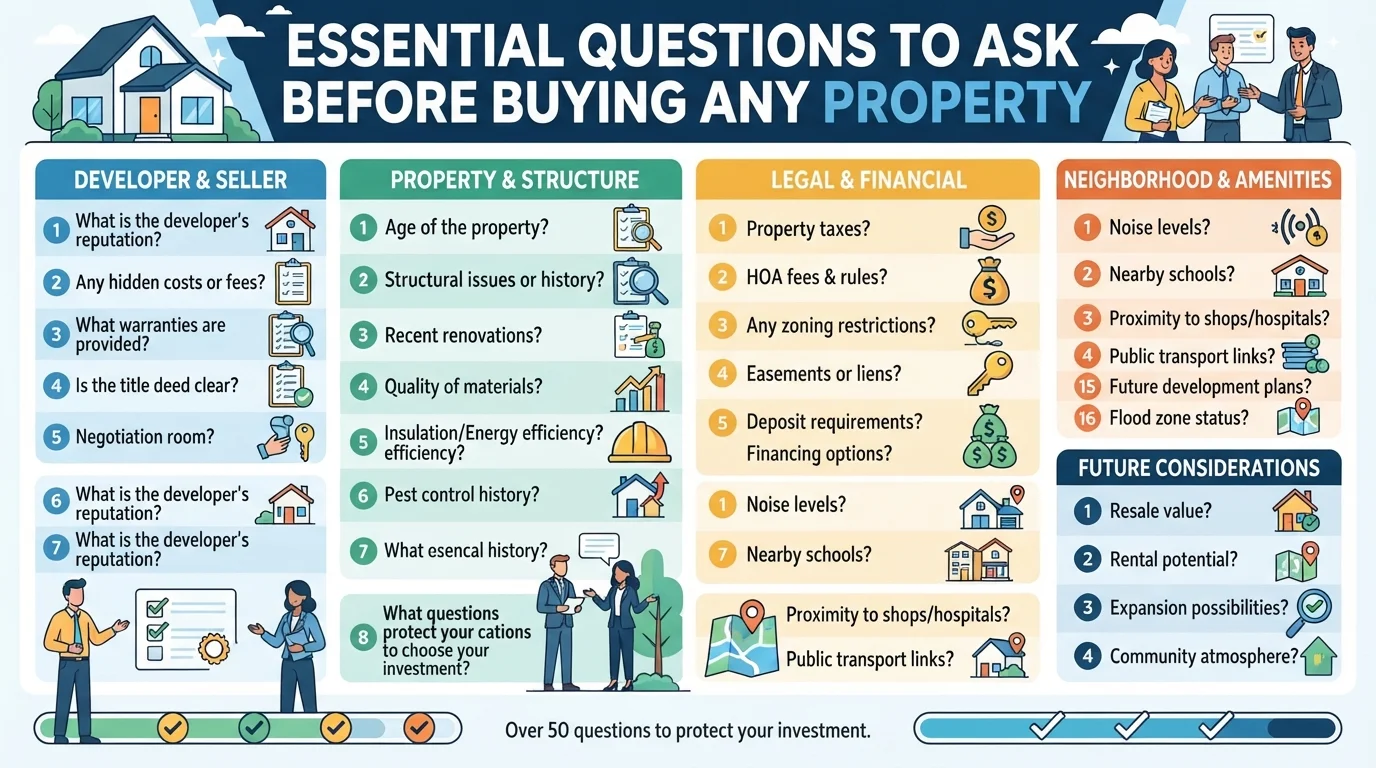
Use More Than 50 Questions When Necessary
There is no maximum number of questions a serious buyer should ask.
A small apartment in an established building may require a different investigation from a newly constructed house, an off-plan development, or an investment property.
That is why a comprehensive home purchase checklist should be flexible.
Ask the seller questions about the property’s history. Ask the agent questions about pricing and the market. Ask the developer about construction, delivery, specifications, and warranties. Ask professionals about legal, financial, structural, and technical matters.
Most importantly, verify important information independently whenever possible.
Think About the Future
A property purchase affects more than the day you receive the keys.
Think about how the property will work for you several years from now.
Will the location still suit your lifestyle?
Can you afford the ongoing costs?
Will the property be easy to maintain?
Could you sell or rent it if your circumstances change?
Are there planned developments that could improve or reduce its appeal?
These future-focused questions can be just as important as questions about today’s condition.
Make the Decision With Confidence
The goal of asking hundreds of questions is not to make buying a property impossible. It is to make the decision clearer.
When the legal documents are understood, the physical condition has been investigated, the costs have been calculated, and the contract has been carefully reviewed, you can make a much more informed choice.
The best property is not necessarily the largest, newest, or most expensive one. It is the property that fits your financial capacity, practical needs, lifestyle, and long-term objectives while presenting risks you understand and are comfortable accepting.
Before you sign, slow down, ask questions, verify the answers, and document important agreements.
A few extra hours of research can prevent years of financial and practical problems. For any buyer, that makes asking the right questions one of the most valuable steps in the entire home-buying process.